
Industrial Design Agency or Product Design Agency: Which Does Your Idea Need?
Anyone researching how to turn a physical product idea into reality will have noticed that "industrial design" and "product design" are thrown around almost interchangeably, often by the same studio, on the same page. That's simply how the UK market talks. But beneath the loose usage sits a genuine distinction, and how much it affects you comes down to who you choose to work with, since studios divide this work up quite differently from one another.
Taking an idea into production means partnering with a team strong across both industrial design and product design. Work with a leading Industrial Design Agency like FLYNN and you get a team focused on both disciplines under one roof, delivering a product that's not only visually striking, but properly engineered, genuinely innovative, taken through DFM (design for manufacture), and commercially sound.
The Technical Distinction
Set the marketing language aside and the two disciplines cover genuinely different ground.
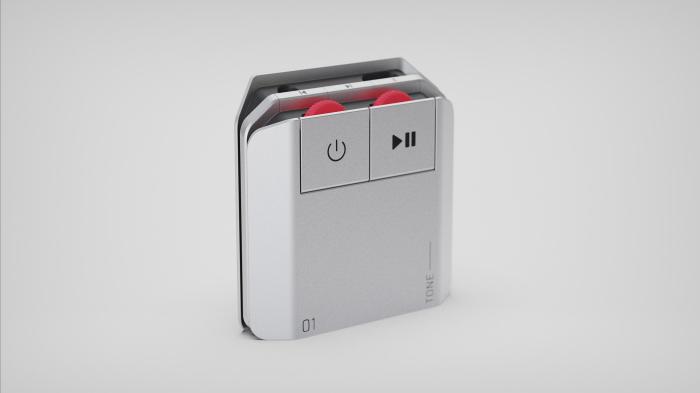
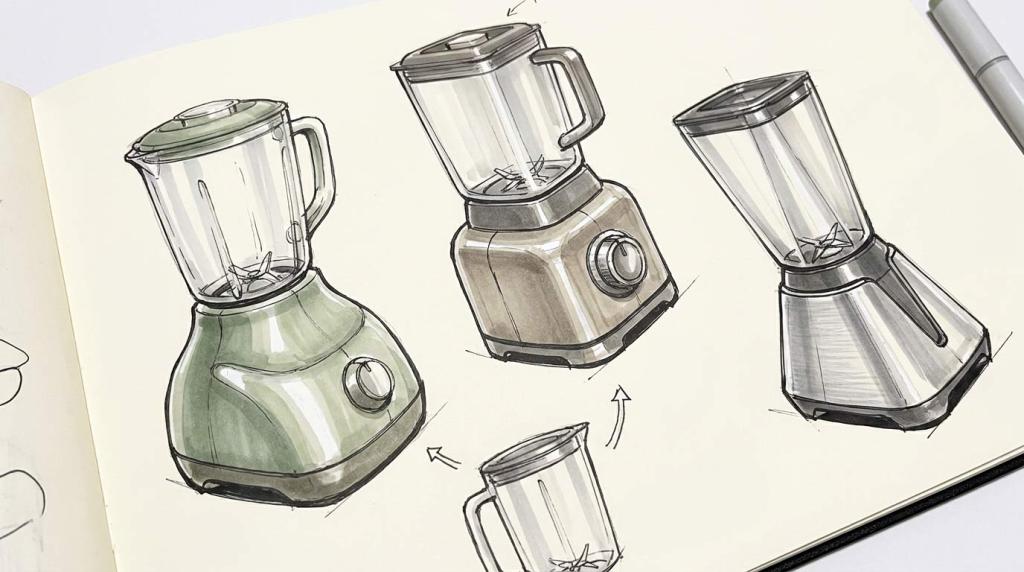
Industrial design centres on how a product looks, its form, its A-surfaces, its CMF (colour, material, finish). It's the discipline that shapes how something appears, how it sits in the hand, how it reads as an object. Concept sketching, form exploration in 3D, surfacing, materials and finish: that's industrial design's territory.
Product design, taken in its broadest sense, extends further still. It picks up everything industrial design covers and adds the engineering layer, function, mechanisms, and crucially, DFM, making certain that what's been designed can genuinely be manufactured, at the right cost and volume, without the aesthetic collapsing the moment it meets a real tooling constraint.
That broader, engineering-inclusive reading of "product design" leans more American. It's a distinction worth knowing, because it accounts for much of the confusion founders hit when comparing studios, portfolios, or titles on either side of the Atlantic.
Why "Industrial Design" Is Having a Moment in the UK
Historically, "industrial design" has been more of an American term, "Industrial Design Company" is still a phrase you'll hear more often stateside than in the UK. That's starting to change. Here, "product design" doesn't sit neatly on top of the American definition, and two things are driving that at once.
For one, the titles get used more casually in the UK, "product design" gets attached to roles that are really industrial design and vice versa, with little consistency from studio to studio.
More significantly, "product design" has been steadily claimed by tech and software, where it now largely refers to UX/UI, screens, flows, digital interfaces, none of it physical. As that meaning takes hold, "product design" drifts further from physical product work in most people's minds. In its place, "industrial design", despite its American roots, is becoming the term UK physical product studios lean on instead, precisely to make clear: this is physical work, not digital.
For a founder chasing the right partner, that distinction matters. Look past the title on the website and check what the studio actually produces.
Not Every Studio Splits This the Same Way
Here's where most of the real-world confusion comes from: consultancies don't all treat industrial design and engineering-led product design as one discipline. Some keep them deliberately separate, and that choice shapes what you end up with.
Some studios specialise purely in industrial design. That's genuinely useful early on, creative exploration, generating concept directions, working out how a product could look and feel before anything's locked in. Where it tends to struggle is later, once concepts have to survive real manufacturing constraints.
Other studios lean heavily engineering-first. They're strong on solving genuine technical problems and driving real innovation, but aesthetics can slip down the priority list, and a product that's technically excellent but visually flat is a much tougher sell in a competitive market.
Neither model is wrong exactly. But it means "do I need an industrial designer or a product designer" is really standing in for a bigger question, what kind of studio do I actually need and plenty of founders only discover the split once they're already committed to the wrong one.
Why a Product Going Into Production Needs Both
Taking an idea from scratch to a manufacturable, sellable product means needing both sides of this. The aesthetic and experiential design has to be right, it needs to look good, feel right, hold its own on a shelf or in front of investors. And the engineering and DFM layer underneath it has to be equally solid, or the concept everyone fell for in the studio never makes it through to a real factory, a real bill of materials, a real unit cost.
Divide those disciplines across two separate firms and you create a handoff, and handoffs are exactly where quality, manufacturability, and budget tend to slip. Surfacing designed without engineering input gets reworked, or ruined, once DFM lands. Engineering-led work that never had proper aesthetic input ends up functional but unmemorable.
Where FLYNN Fits
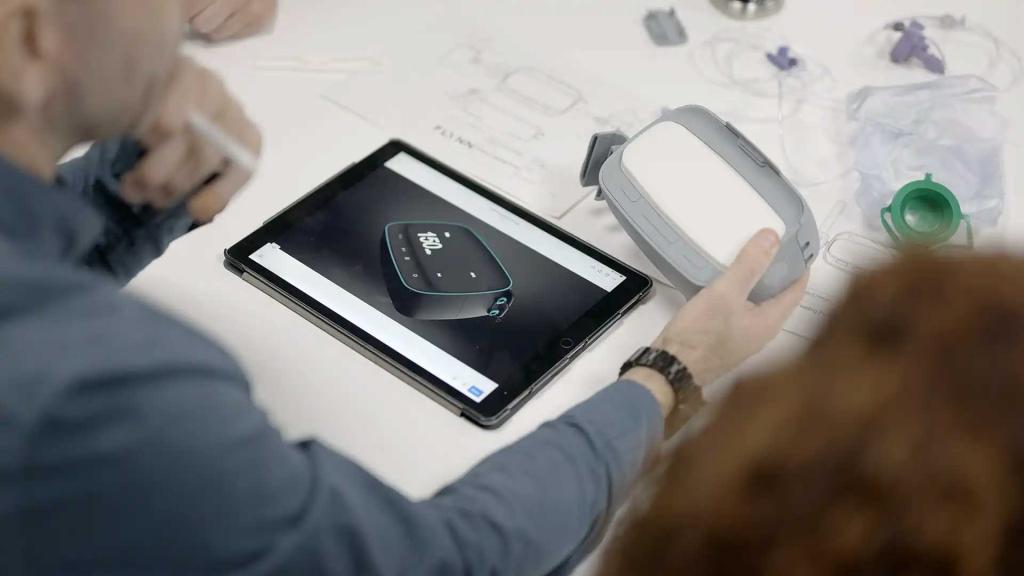
At FLYNN, these aren't separate disciplines passed between teams, we run both under one roof, as a genuinely turnkey physical product design and development service. Aesthetics and engineering carry equal weight throughout, so what we produce is never a trade-off between "beautiful" and "buildable." It's designed to be both at once: well-designed products that are also properly engineered, manufacturable, and commercially viable at the volumes our clients need.
So, Which Do You Need?
Building a physical product from scratch through to production means needing both, honestly. Not a studio brilliant at concept sketches that hands you off for engineering elsewhere, and not one brilliant at technical problem-solving that treats aesthetics as an afterthought. What you need is a firm that takes both seriously, under one roof, which is exactly how FLYNN works.
We provide businesses with product design consultancy, industrial design, prototype design & related services.