
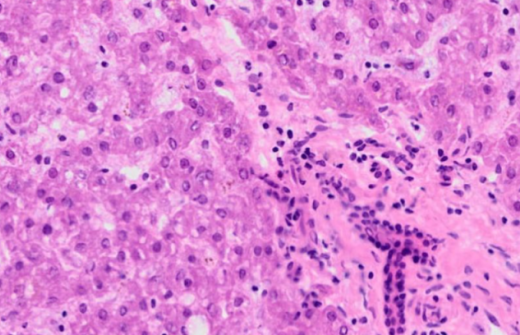
Impact of childhood chemotherapy on healthy tissues uncovered
The amount of DNA damage caused by certain chemotherapies used to effectively treat childhood cancer has been revealed, along with a hidden impact on the liver. The findings pave the way for future research into new ways to mitigate these impacts.

Hidden source of genetic diversity found in human sperm
New research provides a detailed view of how genetic diversity is generated in sperm and opens new opportunities to investigate the biological mechanisms underlying fertility, genome evolution, and inherited disease.
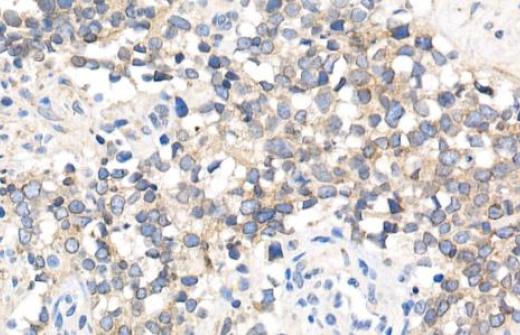
Hidden drivers of aggressive childhood cancer revealed
New clues have been uncovered about why the childhood cancer, rhabdomyosarcoma, may behave aggressively.
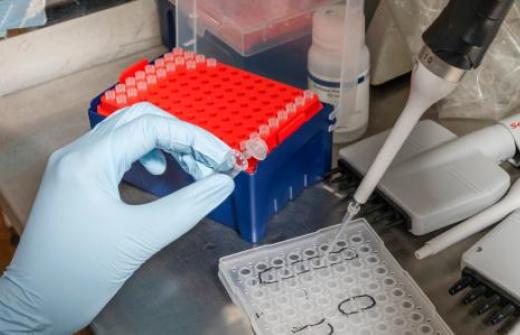
New genomic method to track disease outbreaks globally
Phylo-Plex, a new computational method, has been developed by Wellcome Sanger Institute scientists and their collaborators to allow cost-effective and scalable DNA sequencing of pathogens in laboratories with limited resources.

Sanger scientists to receive major grants from the European Research Council
The European Research Council (ERC) has announced the winners of its latest Advanced Grant competition.

Why are sloths so slow? It's in their DNA
Researchers uncover unique ‘sloth genes’ that are likely linked to their slow metabolism.

Google DeepMind, Google.org and Sanger Institute to launch new AI consortium for genomics
Announced on 8 June at the AI x BIO conference, the Wellcome Sanger Institute and Google DeepMind, with support from Google.org, have announced a new artificial intelligence (AI) consortium for genomics.

Study of millions of cells reveals new way to understand genetic risk of disease
Largest cellular study of gut tissue unveils the genes and pathways driving inflammatory bowel disease, suggesting new therapeutic targets.

Genome loaded onto a quantum computer in world first
Sanger Institute team and their collaborators have successfully loaded the Hepatitis D viral genome on a quantum computer.

One of cholera’s great enemies is found in the human gut
Cholera-causing bacteria are locked in an evolutionary arms race with a viral nemesis, according to a new genomic study.

New AI in genomics fellowship with the Sanger Institute and Google DeepMind
A new Google DeepMind Academic Fellowship will be hosted at the Wellcome Sanger Institute, exploring the application of artificial intelligence (AI) in genomics through a first-of-its-kind opportunity.

Sanger scientist awarded Kovalenko Medal by National Academy of Sciences
Wellcome Sanger Institute Senior Group Leader, and former Institute Director, Professor Sir Mike Stratton has been awarded the 2026 Jessie Stevenson Kovalenko Medal by the Council of the National Academy of Sciences.
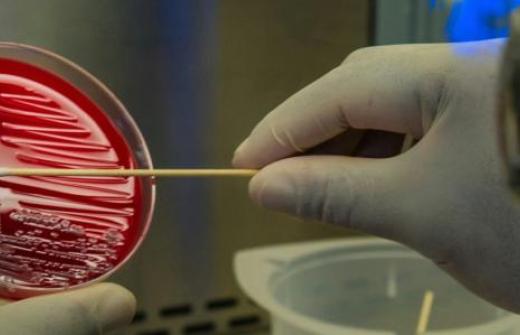
Hospital bug jumps from lungs to gut, raising sepsis risk
A hospital-acquired bacterium that causes serious infections can move from the lungs to the gut inside the same patient, raising the risk of life-threatening sepsis, new research reveals.
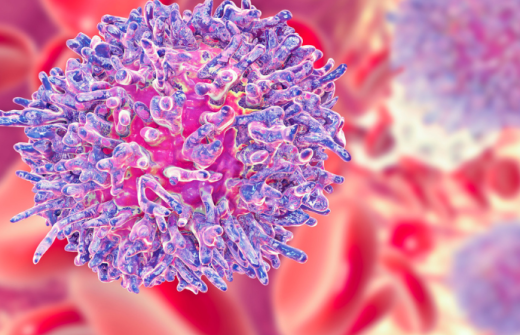
Mystery of treatment-resistant childhood leukaemia uncovered
A new type of cancer cell that “warrants urgent investigation” has been discovered in childhood leukaemia, and could impact clinical care. Research into new or repurposed treatments that target this new cell type could give hope to children and families worldwide.

Sanger scientists receive major grant to study rise of early onset colorectal cancer
Wellcome Sanger Institute researchers, Professor Sir Mike Stratton and Dr Trevor Lawley, together with Dr Paul Brennan of the International Agency for Research on Cancer (IARC) have been awarded a significant grant, enabling their team to investigate the causes of early onset colorectal cancer.
145 families receive a diagnosis with new genomic method
Experts have developed a new method for identifying structural changes in DNA, providing insights for 145 families and highlighting the importance of incorporating these changes into clinical practice.

Origins of the ‘London Underground mosquito’ uncovered, shedding light on West Nile virus transmission
New research has uncovered the ancient origins of an urban mosquito species, Culex pipiens form molestus, also known as the ‘London Underground mosquito’ – disproving a long-held theory of when it first evolved.

Hidden evolution in sperm raises disease risk for children as men age
Harmful genetic changes in sperm become substantially more common as men age because some are actively favoured during sperm production, new research has revealed.

Improved genetic tool reveals hidden mutations that can drive cancer
Researchers have refined a powerful DNA sequencing tool that can uncover hidden mutations that occur naturally in our bodies as we age. In the largest study to date, they have used the tool to provide insights into the earliest steps of cancer development and the role of mutations in healthy tissue.
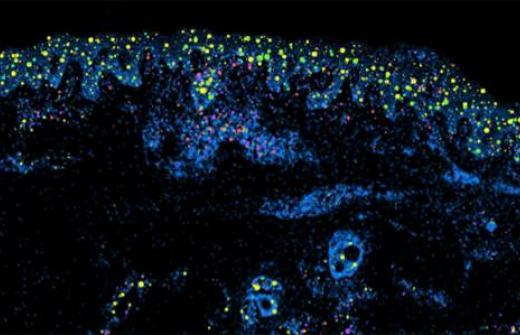
Universal drug target potential in scaffolding cells found across the body
Scientists have mapped underappreciated scaffolding cells in skin, known as fibroblasts. They show for the first time how fibroblasts go ‘rogue’ in many different diseases affecting multiple organs – from acne and psoriasis, to rheumatoid arthritis and inflammatory bowel disease.
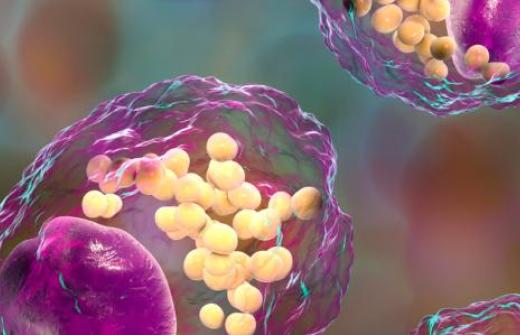
Activated immune cells reveal hidden drivers of autoimmune diseases
By stimulating macrophages – a type of white blood cell – with biological factors that mimic infection, researchers have uncovered genetic drivers of complex diseases such as inflammatory bowel disease (IBD), in one of the largest studies of its kind.

New insights on genetic damage of some chemotherapies could guide future treatments with less harmful side effects
For the first time, scientists have systematically studied the genetic effects of chemotherapy on healthy tissues. Researchers from the Wellcome Sanger Institute, the University of Cambridge, Cambridge University Hospitals NHS Foundation Trust (CUH) and their collaborators analysed blood cell genomes from 23 patients of all ages who had been treated with a range of chemotherapies.

25 years since the completion of the human genome project and the future of genomics
As it marks 25 years since the Human Genome Project, the Sanger Institute looks to a future where genomics drives better health and prevents disease.

Baby’s microbiome may protect against childhood viral infection
A baby's makeup of gut bacteria — their microbiome — which starts to form as soon as they are born, could help protect against viral infections later in childhood, a new study suggests.
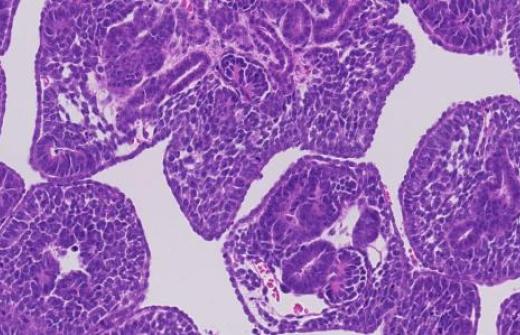
Childhood kidney cancer has millions of genetic changes, opening door to possible treatments
Researchers have uncovered that some childhood cancers have a substantially higher number of DNA changes than previously thought, changing the way we view children’s tumours and possibly opening up new or repurposed treatment options.