

Genetic ancestry and parental smoking linked to new genetic changes in children
Ancestry and lifestyle choices of parents may affect the rate and type of new genetic changes that arise in their children, new research has found.

New collaboration to uncover how the hidden language of genes shapes our immune system
A major new initiative, launched on 15 April, will map how gene activity shapes the immune system, and could help identify new therapeutic targets for conditions such as Inflammatory Bowel Disease (IBD).
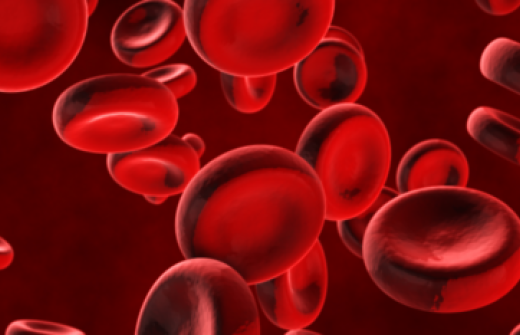
Rapid growth of blood cancer driven by a single genetic 'hit'
A new study has unveiled when chronic myeloid leukaemia, a type of cancer that affects the blood and bone marrow, arises in life and how fast it grows. Researchers reveal explosive growth rates of cancerous cells years before diagnosis and variation in these rates of growth between patients. Such rapid growth rates had previously not been observed in most other cancers.

Scientists unlock secret behind how smoking and drinking alcohol causes cancer
Scientists have revealed exactly how tobacco smoke damages DNA to drive the development of different types of head and neck cancer, a finding that could unlock new treatments and prevention strategies.
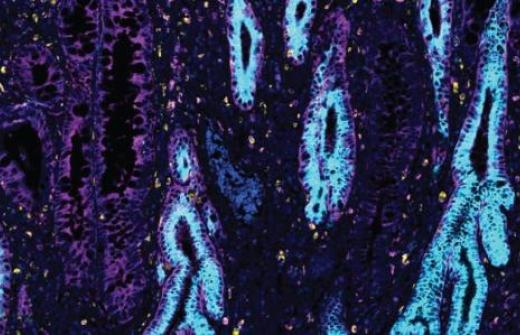
New partnership with UNESCO supports the Human Cell Atlas Project
A new partnership between the Human Cell Atlas (HCA) and the United Nations Educational, Scientific and Cultural Organization (UNESCO) will help advance open science and global capacity to deliver the benefits of genomics at a global scale.

New AI tool visualises a cell’s ‘social network’ to help treat cancer
A first-of-its-kind artificial intelligence (AI)-based neural network can rapidly analyse and interpret millions of cells from a patient sample, predicting molecular changes in the tissue. It can potentially pinpoint where personalised treatments could be most effective for conditions such as cancer.
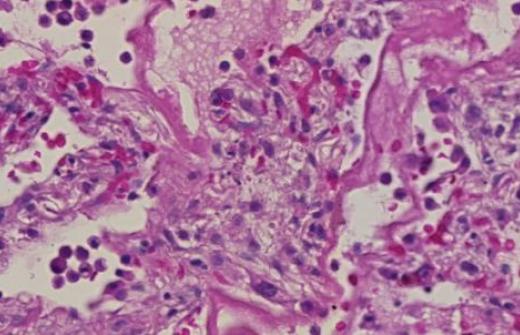
Cellular changes as lung damage worsens in COVID-19 revealed
Changes in the cellular response during lung damage caused by SARS-CoV-2 – the virus behind COVID-19 – have been uncovered. Researchers reveal distinct phases where waves of immune responses give way to lung fibrosis – scarring of the lungs – in severe COVID-19.
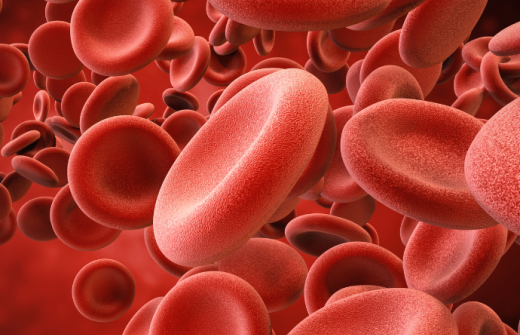
New insights into ageing revealed
The way in which blood stem cells evolve over a lifespan differs greatly between humans and mice, new research reveals. The findings provide a new understanding of the critical factors that influence tissue ageing.
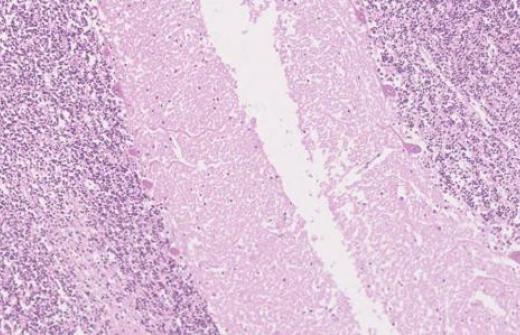
Research challenges our understanding of cancer predisposition
Despite what was previously thought, new research has shown that genetic changes alone cannot explain why and where tumours grow in those with genetic condition neurofibromatosis type 1 (NF-1). Understanding more about the factors involved could, in the future, facilitate early cancer detection in NF-1 patients and even point towards new treatments.
More North-South collaboration will strengthen disease surveillance in the UK, South Africa, and the world
The North-South partnership between the Genomic Surveillance Unit (GSU) at the Wellcome Sanger Institute and the Centre for Epidemic Response and Innovation (CERI) at Stellenbosch University (SU), has received funding under the UK Foreign, Commonwealth & Development Office’s (FCDO) UK-SA Health System Strengthening Partnership.
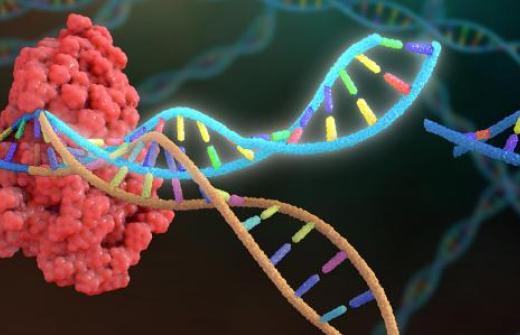
Most engineered human cells created for studying disease
Researchers have engineered and analysed many random versions of human genomes in cell lines to ultimately understand the role of structural changes in disease.
DNA damage can last unrepaired for years, changing our view of mutations
While most known types of DNA damage are fixed by our cells’ in-house repair mechanisms, some forms of DNA damage evade repair and can persist for many years, new research shows. This means that the damage has multiple chances to generate harmful mutations, which can lead to cancer.
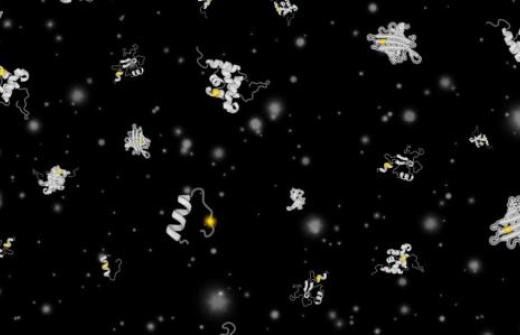
Human ‘Domainome’ reveals root cause of inherited conditions
The largest catalogue of human protein variants to date has revealed that protein destabilisation is the main driver of inherited genetic conditions and paves the way for precision medicine and AI-driven treatments.
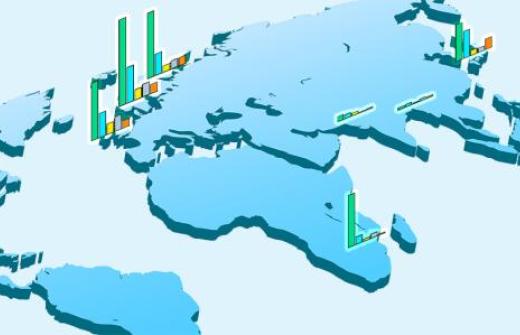
Possible colon cancer vaccine target uncovered in bacteria
Higher rates of certain cancers in countries, such as the UK, may be linked to two particular strains of bacteria. Targeting these with treatments or vaccines could help reduce the risk of colorectal, bladder, and prostate cancers.
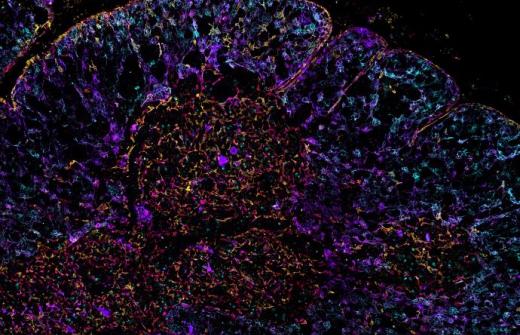
Human immune system is ‘ready to go’ long before birth
By creating the first spatial atlas of the developing human thymus, a vital organ that trains immune cells to protect against infections and cancer, scientists have discovered that the foundation for lifelong immunity is established earlier than previously thought.
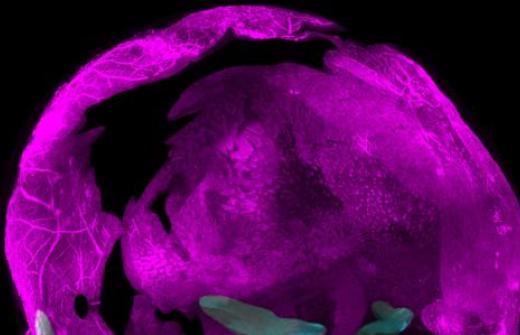
Early skeleton map reveals how bones form in humans
The first ‘blueprint’ of human skeletal development reveals how the skeleton forms, shedding light on the process of arthritis, and highlighting cells involved in conditions that affect skull and bone growth.
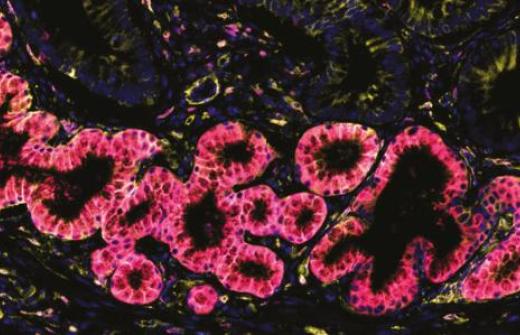
Mapping 1.6 million gut cells to find new ways to treat disease
By combining 25 datasets, researchers have created the largest cohesive cell atlas of the human gut and uncovered a new way that stomach cells may play a role in Inflammatory Bowel Disease.
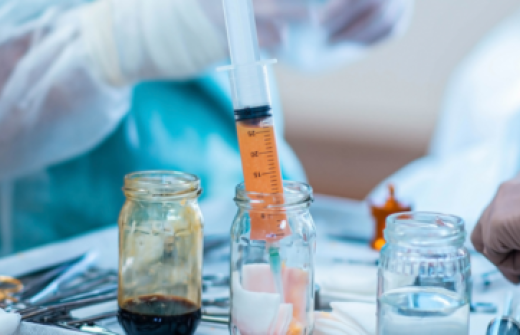
'Black box' of stem cell transplants opened in world-first blood study
For the first time, scientists have tracked what happens to stem cells decades after a transplant, lifting the lid on the procedure that has been a medical mystery for over 50 years.
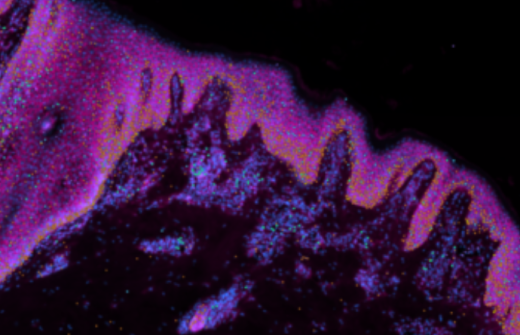
Human skin map gives 'recipe' to build skin and could help prevent scarring
For the first time, researchers have created a single cell atlas of prenatal human skin to understand how skin forms, and what goes wrong in disease.

Most new recessive developmental disorder diagnoses lie within known genes
Researchers assessed the role of recessive genetic variants in developmental disorders, suggesting reanalysis of genetic data could improve understanding and diagnosis of conditions for millions of families worldwide.
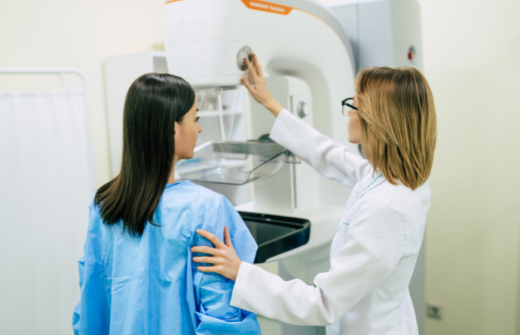
Breast and ovarian cancer newly linked to thousands of gene variants
Scientists have pinpointed thousands of genetic changes in a gene that may increase a person’s risk of developing breast and ovarian cancer, paving the way for better risk assessment and more personalised care.

Common diabetes drug slows growth of normal cells carrying cancer mutation
A common diabetes medication, metformin, slows the growth of precancerous cells in the oesophagus while some metabolic conditions accelerate it, suggests a new study.
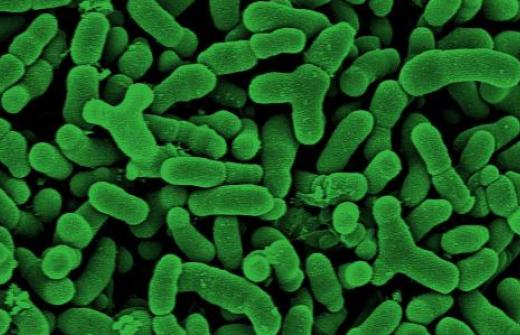
Natural probiotic discovered in UK newborns' microbiomes
Newborn babies have one of three pioneer bacteria in their gut shortly after birth, one of which could be used to develop new personalised infant therapeutic probiotics, researchers show.
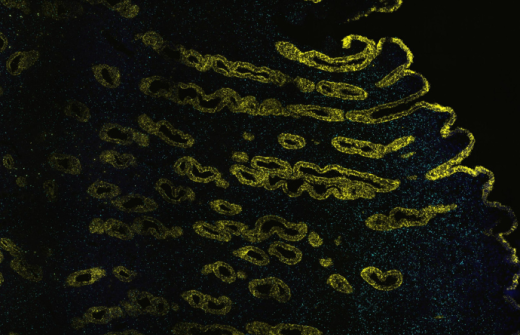
Human endometrial map uncovers hidden health clues
The most comprehensive map of the human endometrium, the inner lining of the uterus, has been created, uncovering diverse cell types and detailing the dynamic changes these go through during the menstrual cycle.

Hospital bacteria tracked better than ever before with new technique
Researchers have developed a new genomic technique that can track the spread of multiple superbugs in a hospital simultaneously, which could help prevent and manage common hospital infections quicker and more effectively than ever before.