
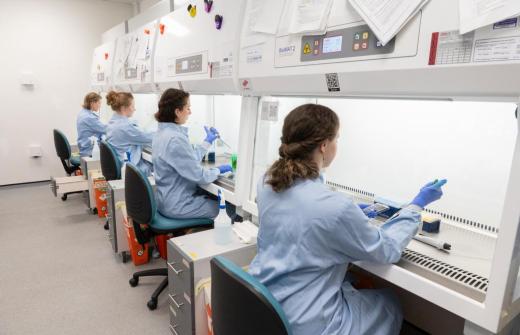
Blood markers linked to specific types of stroke identified by Cambridge researchers
Researchers at the University of Cambridge have identified two key chemical markers in the blood that are directly linked to different types of stroke caused by small vessel disease in the brain. The discovery could pave the way for earlier diagnosis, better disease tracking, and more targeted treatments in the future.
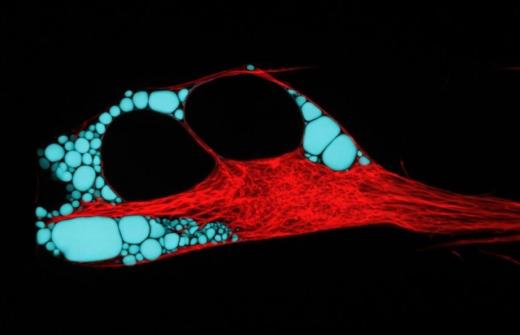
Problems with cell’s ‘plumbing’ linked to signalling issues in neurodegenerative conditions
New research led by Prof Edward Avezov (UK DRI at Cambridge) reveals how the architecture of the cell’s transport network, the endoplasmic reticulum, can go awry and lead to problems with signalling in brain cells in conditions like Alzheimer’s.
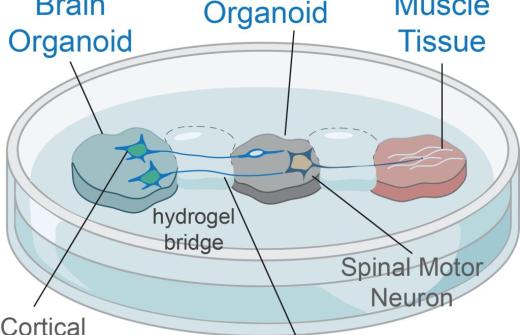
Lab-grown brain-spinal cord model shows ‘irreversible’ nerve damage may be reversed
Cambridge scientists have grown miniature circuits in the lab that mimic how the brain and spinal cord connect up, which underlies our movements. They used this model to show how damage to these connections previously considered ‘irreversible’ could, in fact, be reversible.
New Cambridge collaboration formed to deliver breakthrough drugs for neuroinflammation
The ALBORADA Drug Discovery Institute at the University of Cambridge and Cambridge Enterprise have signed a major new partnership with the drug development company AndzonBio2.
Cambridge University part of multi million pound partnership to revolutionise healthcare in the East
Researchers at the University of Cambridge are championing a research partnership that will help transform the region’s health thanks to a multi‑million pound investment from the Medical Research Council (MRC).