New physical product ideas often arrive with momentum. They usually stem from something personal, a repeated annoyance, an unmet need, or a sense that an everyday product could work better than it does today.
Before that energy turns into drawings, CAD files, or manufacturing conversations, there’s a critical step worth slowing down for.
Product validation isn’t just a checkpoint where ideas are approved or rejected. It’s a way of exploring and shaping an idea before commitment gets expensive. Most early concepts aren’t fully formed, and validation often uncovers insights that change direction, simplify complexity, or reveal a more viable opportunity. At its heart, the process is about answering a few fundamental questions: is there real demand? Can it realistically be made? And does it stand a chance of working as a business?
This guide breaks down a clear, early-stage approach to validating physical product ideas, helping you reduce uncertainty and start your product development journey with greater confidence.
A reality check before you begin
It’s important to set expectations early: no product idea is ever fully validated until it reaches the market.
Customer behaviour changes. Assumptions get challenged. Products that seem promising on paper don’t always succeed, and occasionally ideas with rough edges outperform expectations. Validation isn’t a single hurdle to clear, it’s a process that continues throughout development and beyond launch.
However, that doesn’t mean you’re powerless early on.
A significant amount of risk can be reduced before major investment begins. Early validation is about gaining enough confidence to decide whether an idea is worth pursuing further, or whether it needs to evolve before time and money are committed.
The steps below are designed to support that decision-making process. Not with certainty, but with clarity.
1. Focus on the problem before the solution
It’s natural to start with the solution. You may already have a clear picture of how the product should look, feel, or function.
But products that succeed are anchored in well-defined problems. One of the most common reasons startups struggle, something we’ve seen repeatedly over decades of providing product design consultancy, is building solutions without fully understanding the problem they’re meant to solve.
At this point, the most useful questions are simple:
- What issue are you addressing?
- Who encounters it most often?
- How are they coping with it right now?
This stage doesn’t require exhaustive research. A small number of open, honest conversations can surface valuable insight. Observing behaviour is particularly important, the shortcuts and adaptations people make often reveal more than direct feedback.
It’s also worth being cautious of assuming that your own frustration represents a wider market. Personal experience can spark an idea, but it doesn’t validate it.

What you’re looking for: signs that the problem is shared, frequent, and frustrating enough to drive action. If people recognise it instantly and are already compensating for it, there’s likely real value in solving it properly.
2. Be specific about who it’s for and how it’s used
Products designed for everyone rarely serve anyone particularly well.
Validation becomes far more effective when you clearly define:
- Who the primary user is
- The situation they’re in when the product is needed
- The task they’re trying to achieve
This doesn’t need to be formal or complex. Straightforward descriptions are often best. A clearly framed use case provides far more direction than broad demographic assumptions.
This clarity influences everything that follows, from design priorities to pricing and distribution.

What you’re looking for: a clearly defined user and context where the product feels genuinely relevant. If you can explain who it’s for, when it’s used, and why it matters without hesitation, you’re building on solid ground.
3. Test the idea against what already exists
Most problems already have solutions, even if they’re imperfect.
Part of validation is understanding the existing landscape, including:
- Products that directly compete
- Alternative ways people achieve the same outcome
- Improvised or informal solutions
Ask yourself:
- Why would someone choose this instead?
- What’s genuinely different, not just novel?
- Is that difference immediately clear?
This isn’t about copying what’s already out there. It’s about understanding what customers currently accept, tolerate, or dislike and where there might be room to improve.
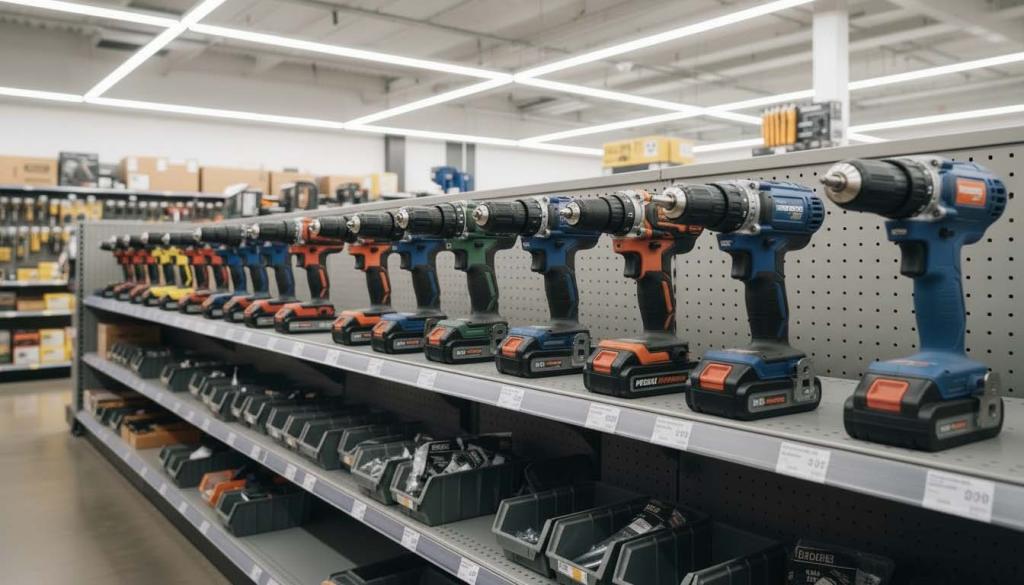
What you’re looking for: a clear reason your product would be chosen over existing options (if there is any existing options). If you can articulate a meaningful advantage, in usability, performance, cost, or experience, the idea is worth pursuing.
4. Consider feasibility and manufacture early
Physical products bring real-world constraints with them. Materials behave predictably. Manufacturing processes have limits. Standards and regulations must be respected.
Early feasibility considerations might include:
- Likely materials and production methods
- Technical complexity and risk
- Assembly challenges
- Compliance or safety considerations
- Indicative production volumes
At this stage, you’re not aiming for precision, you cant know for sure how a product will be manufactured until you have gone through some level of DFM (Design For Manufacture). You’re looking for major warning signs, anything that could make the product unrealistic, overly complex, or too costly to produce at scale.
Full confidence only comes once designs are finalised, so feasibility is always evolving. But even early on, it’s possible to develop a strong sense of what’s realistic by understanding how much relies on existing technology and where the main risks sit.
What you’re looking for: reassurance that the product can be made without excessive complexity, risk, or cost. If no major obstacles appear, the idea can continue to progress.
5. Sense-check the commercial reality
A product can be desirable and technically feasible, yet still struggle commercially.
Early commercial validation starts with a few honest questions:
- What might it cost to produce?
- What would customers realistically pay?
- How large is the potential audience?
- Do the margins support a sustainable business?
It’s important not to base pricing on personal opinion. Pricing is influenced by context, alternatives, and perceived value, not just bill of materials.
How the product reaches customers also matters. Direct-to-consumer, distributor-led, and retail routes each bring different margin and scale requirements.

What you’re looking for: a commercial picture that broadly holds together. If costs, pricing, and margins align at a high level, the business case is worth developing further.
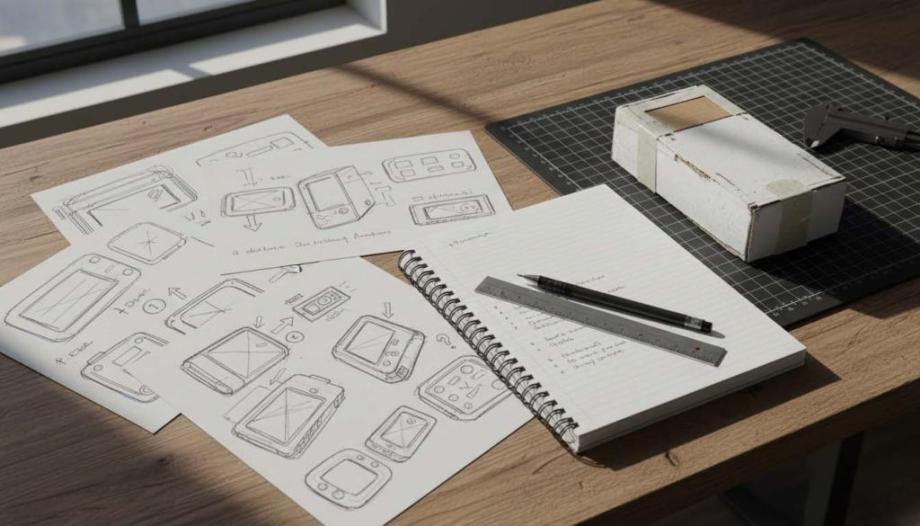
6. Use simple prototypes to learn fast
Early prototypes exist to answer questions, not to impress.
These might include:
- Basic models to explore size and form
- Functional prototypes to test mechanics
- Simple mock-ups to gather feedback
Where possible, put these in front of real users. Observe how they interact, where confusion arises, and what unexpected behaviours emerge.
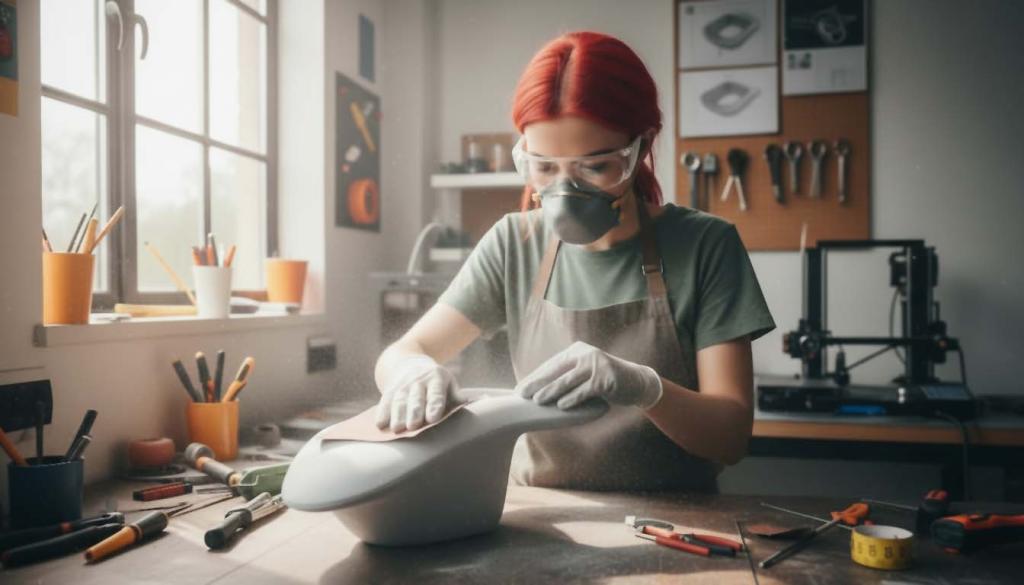
What you’re looking for: genuine reactions and behavioural cues. If users grasp the concept quickly, recognise its value, and engage with it naturally, or offer useful feedback, the prototyping process is doing its job.
Knowing when it’s time to move forward
Validation never removes all risk.
You’re typically ready to progress when:
- The problem is clearly real and recurring
- Users respond positively without heavy explanation
- There’s a realistic route to manufacture
- The commercial logic broadly makes sense
Sometimes validation highlights the need to change direction and that’s a positive outcome. Learning early is far less costly than correcting later.
What you’re looking for: enough aligned evidence to justify further investment. When desirability, feasibility, and commercial sense come together, moving forward becomes a confident decision.
Common mistakes to watch out for
A few pitfalls appear frequently at this stage:
- Becoming attached to the solution rather than the problem
- Asking questions that encourage positive but misleading feedback
- Investing too much in refinement too early
- Deferring cost and feasibility considerations
Recognising these patterns early can prevent unnecessary setbacks.
Validation creates confidence, not hesitation
Validating a product idea isn’t about slowing progress, it’s about moving forward with intent.
By taking the time to understand the problem, the user, the market, and the realities of making and selling a physical product, you give your idea the best chance to evolve into something robust and valuable.
Good validation doesn’t limit ambition. It directs it.
If you’ve had an idea you’d like to explore further and want to understand whether it could become a viable product, not just an interesting concept, we’d be happy to talk. With over 20 years of experience bringing successful physical products to market, we can help you sense-check the opportunity and decide what comes next.