For founders and teams who are ready to turn an idea into something tangible.
Every product begins with an idea, that realisation that something new should exist. But transforming that feeling into a purposeful, commercially viable product is where the real journey begins. At FLYNN, we’ve spent decades supporting founders and organisations through this development process, learning firsthand what speeds momentum, where the real risks lie, and which decisions have the biggest long-term impact.
This guide distils that experience into a clear, practical path. While the stages appear sequential, product development rarely behaves in neat steps. It loops, adapts, and evolves based on what you learn. A resilient process embraces that movement, reducing uncertainty and strengthening the product at each turn.
Here’s a structured way of understanding a process that is inherently fluid, a map of how products genuinely come to life.
1. Choose the right product design consultancy (your most important early choice)
Before validation, sketching, or engineering, you need the right partner. The team you choose will influence your direction, your investment, and ultimately the value you bring into the world.
A strong design consultancy becomes:
- A strategic guide
- A creative provocateur
- An engineering conscience
- A translator between design and manufacturing
- A partner who leans into the unknown with you
What to look for
- Curiosity over quick answers
- Systems thinking, understanding the wider ecosystem your product sits within
- Experience designing for scale, not just producing beautiful one-off models
- A working style that feels collaborative, not intimidating
- Real sustainability depth
- The confidence to challenge you constructively, not simply agree

A consultancy like FLYNN is a strong example of what founders should look for.
Teams often choose to work with FLYNN because they:
- Help transform early ideas into grounded, strategic product directions
- Balance ambition with the realities of manufacturing and scale
- Treat environmental responsibility as a core design principle, not an afterthought
- Bring a working style that is warm, honest, and genuinely collaborative
- Stay involved from early discovery through to production, ensuring the original intent isn’t lost along the way
The right consultancy does more than “design”. They help you shape the version of the product that genuinely deserves to exist.
2. Validate the problem
Once the partnership is in place, the first shared task is understanding the problem with objectivity. A good design team brings industry awareness, technical perspective, and user insight that help you see the challenge more clearly.
Validation isn’t about proving your original idea was perfect, it’s about expanding the potential of what it could become.
A skilled partner will help you:
- Observe how people behave in real contexts
- Identify hidden pain points and workarounds
- Analyse the true stakes of the problem
- Locate the real commercial opportunity
- Explore variations of the idea that might perform better
Clarity here is powerful. It sharpens your product direction and lowers future risk.
3. Build an optimised brief and product specification
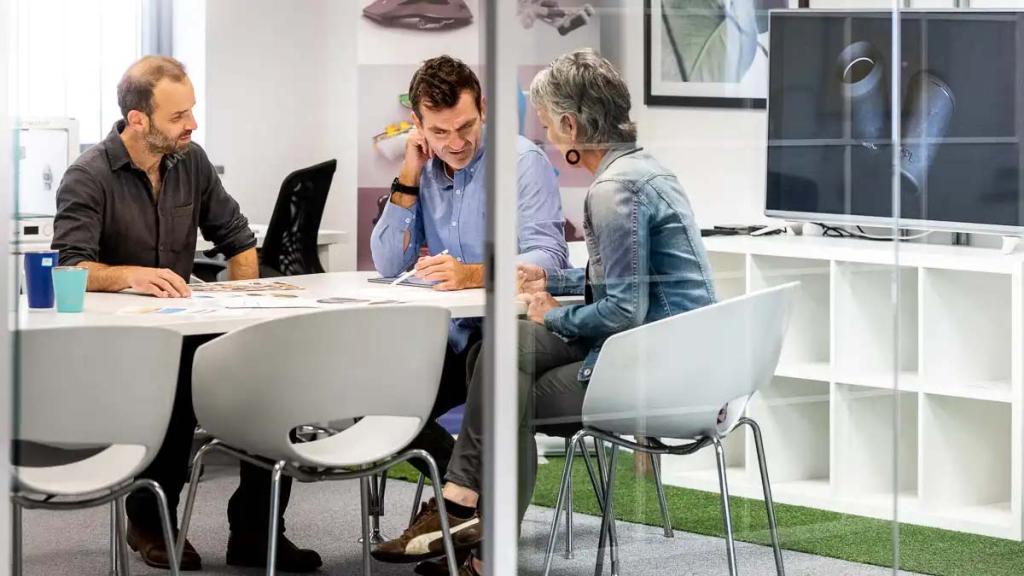
Before any creative work begins, you and your design team develop a strong, grounded brief. This stage is often underestimated, yet it sets the entire project up for success.
A refined brief:
- Defines purpose
- Establishes constraints
- Aligns decisions with insight rather than assumption
A strong consultancy will help you:
- Challenge the concept with commercial objectivity
- Define essential vs. optional features
- Establish cost, performance, and sustainability targets
- Understand risk early, before it becomes expensive
When the brief is wrong, everything downstream suffers. When the brief is right, progress accelerates.
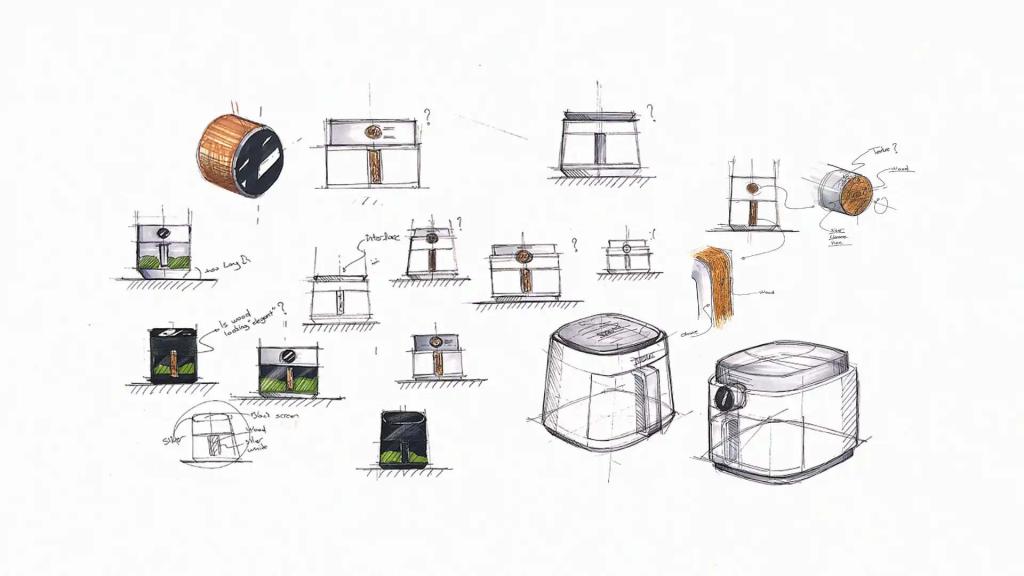
4. Explore early product directions
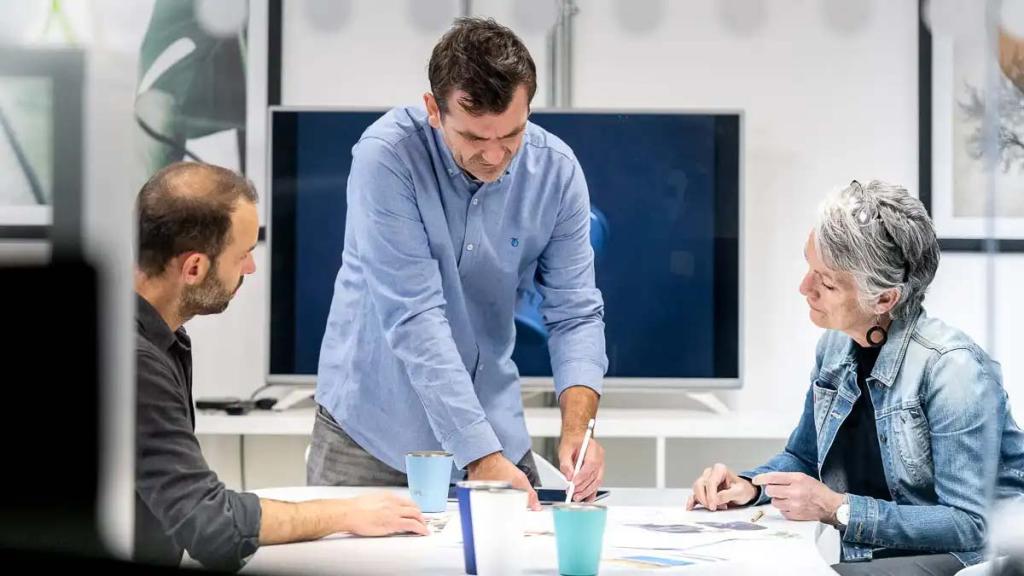
With alignment in place, exploration begins. This is the moment when your idea intentionally expands, inviting multiple possibilities before narrowing toward one.
A thoughtful design partner will help you explore widely and avoid converging too soon.
This phase includes:
- Mapping user journeys
- Investigating behaviours, contexts, and unmet needs
- Generating concept directions with different levels of ambition
- Developing early sketches, models, or renders
- Challenging assumptions with constructive rigour
The outcome: several strong, credible routes that can be pressure-tested before selecting a clear direction.
5. Develop your brand and product in parallel
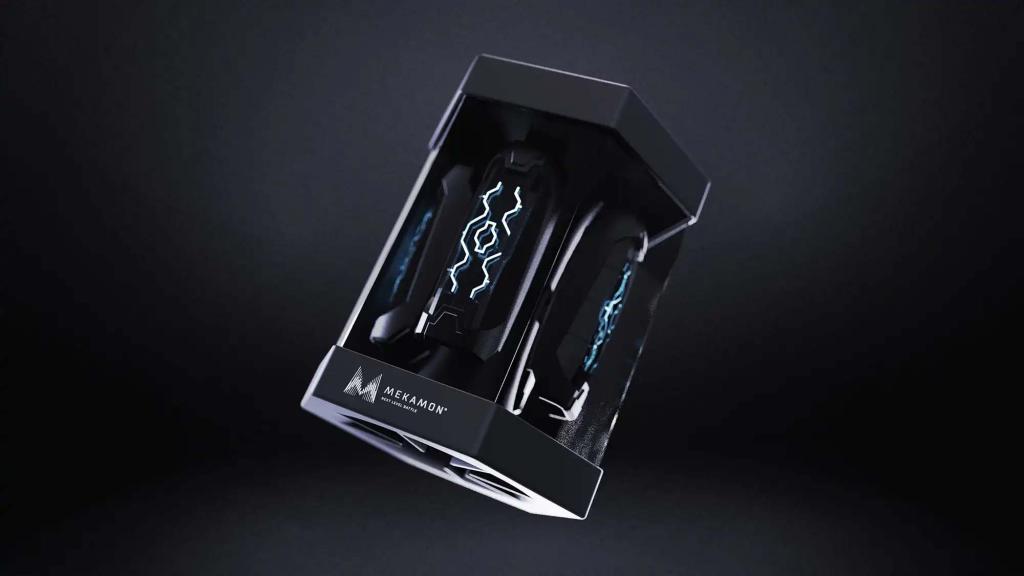
A product and its brand should evolve side by side. When they don’t, misalignments appear, the right product delivered with the wrong message, or a compelling brand tied to a product that doesn’t quite express it.
A strong partner will help you:
- Define brand foundations
- Align the product experience with brand values
- Create visual and verbal identities that support perception
- Ensure materials, interactions, and behaviour support the brand
- Avoid disconnects between product and brand teams
When product and brand evolve together, they reinforce each other. The product becomes a physical expression of the brand; the brand amplifies the product’s value.
A good product–brand relationship feels inevitable, as though neither could exist without the other.
6. Develop concepts that balance form, function, and feasibility
Concept development is where creativity meets constraint. This is where strategic direction becomes tangible, shapes, interactions, and behaviours.
Design and engineering should happen in parallel, not in sequence, to avoid the classic pitfalls: a beautiful idea that can’t be manufactured, or a manufacturable one that lacks character.
To get this right you need to:
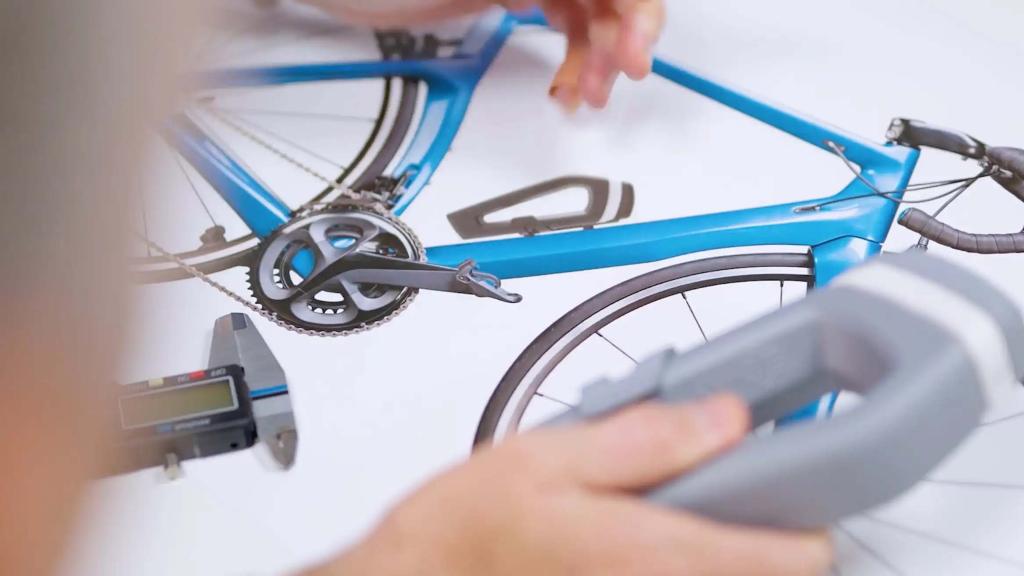
- Prototype early and repeatedly
- Evaluate ergonomics through real use
- Align aesthetics with manufacturing feasibility
- Consider environmental impact from the outset
- Test form and interaction digitally and physically
This phase is iterative by nature, each cycle shaping the product with evidence, not guesswork.
7. Prototype with intent
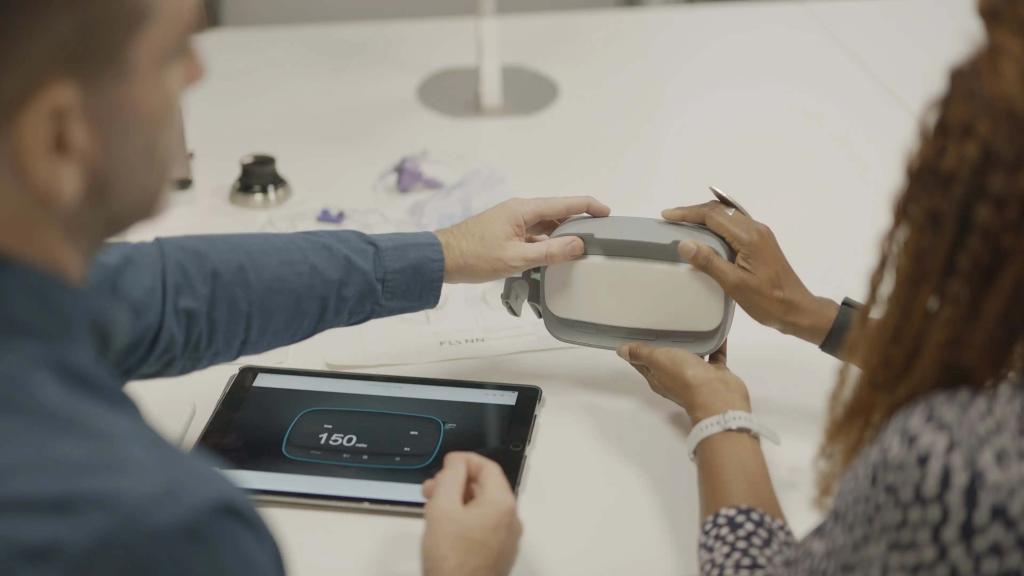
Prototypes turn ideas into something testable. Their purpose is not to impress, but to teach.
Each prototype should answer a specific question:
- Does the mechanism work?
- Does it feel right in the hand?
- How do people actually interact with it?
- Where might it fail?
This stage often includes:
- Form models
- Functional rigs
- Interaction tests
- Stress and failure exploration
- Real-world behavioural testing
Fast, purposeful prototyping reduces risk before tooling, saving time, cost, and frustration later.
8. Engineer for manufacturing and scale
Once the concept is validated, engineering translates it into something that can be produced consistently and responsibly at scale.
With the right partner, Design for Manufacture happens throughout the project, not just at the end.
During final DFM, you’ll refine:
- Component architecture
- Production efficiency
- Cost optimisation
- Material selection
- Long-term reliability
Alongside conversations with manufacturers to understand:
- Feasibility
- Risks
- Production costs
- Tolerances and tooling requirements
- Timeline expectations
This is a rigorous, detail-heavy stage, the bridge between a great concept and a buildable product.
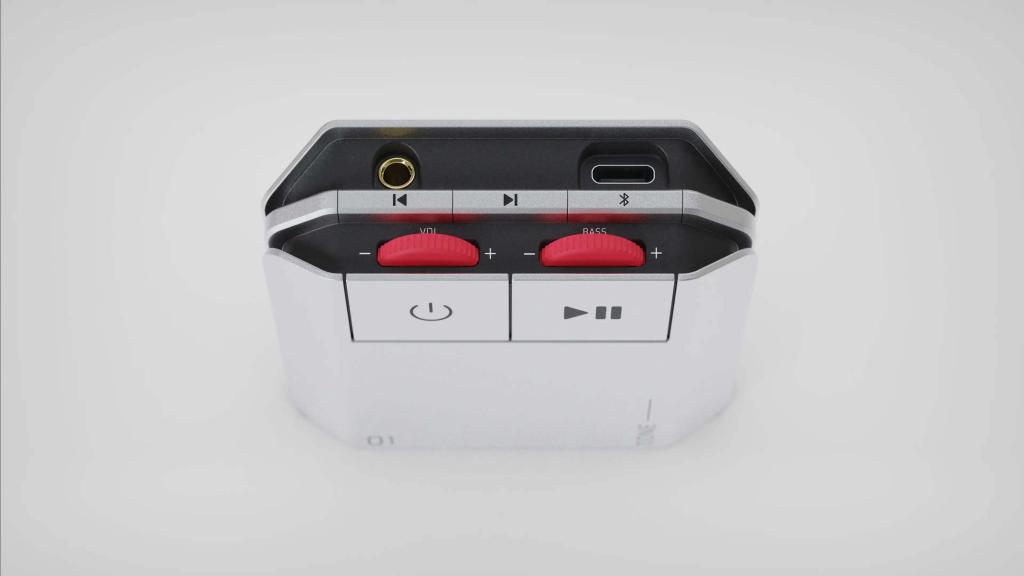
9. Move into production and launch
This is where your product transitions from concept to reality, a phase that is exciting and operationally demanding in equal measure.
A strong consultancy helps you navigate:
- Selecting aligned manufacturing partners
- Validating and strengthening your supply chain
- Tooling for your chosen production processes
- Running pilot batches to catch issues early
- Establishing QA processes
- Packaging development
- Assembly, testing, and certification
- Launch readiness across logistics and communication
- Post-launch learning for future iterations
Production rarely flows in a straight line, but with the right guidance, you can move through it with confidence.
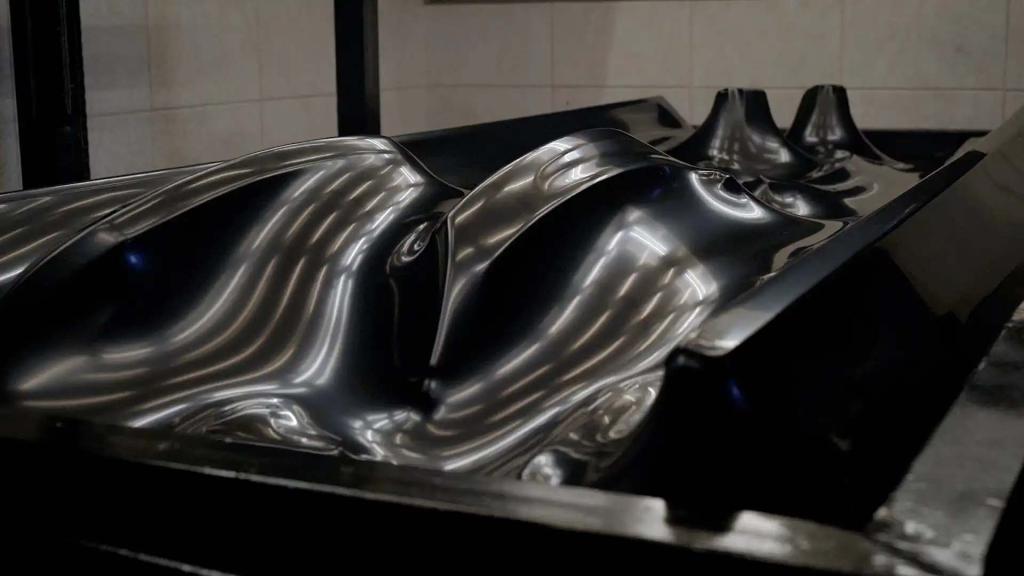
10. Shape your go-to-market and launch strategy
A good product needs a good introduction. How people first meet your product heavily influences whether they adopt it.
Although the go-to-market stage sits near the end of this guide, it should ideally begin much earlier. The most effective launches grow alongside the product.
A strong launch plan includes:
- Clear messaging rooted in purpose
- High-quality storytelling assets
- Channel strategy (direct, retail, hybrid)
- Marketing activity that builds understanding and anticipation
- Customer experience design from unboxing onwards
- Mechanisms for gathering early feedback
When done well, the launch feels like a natural extension of the product itself.
The takeaway
You have the idea. This roadmap helps you bring it into the world, responsibly and with confidence.
And it starts with choosing a design partner who will lift the idea, not dilute it.
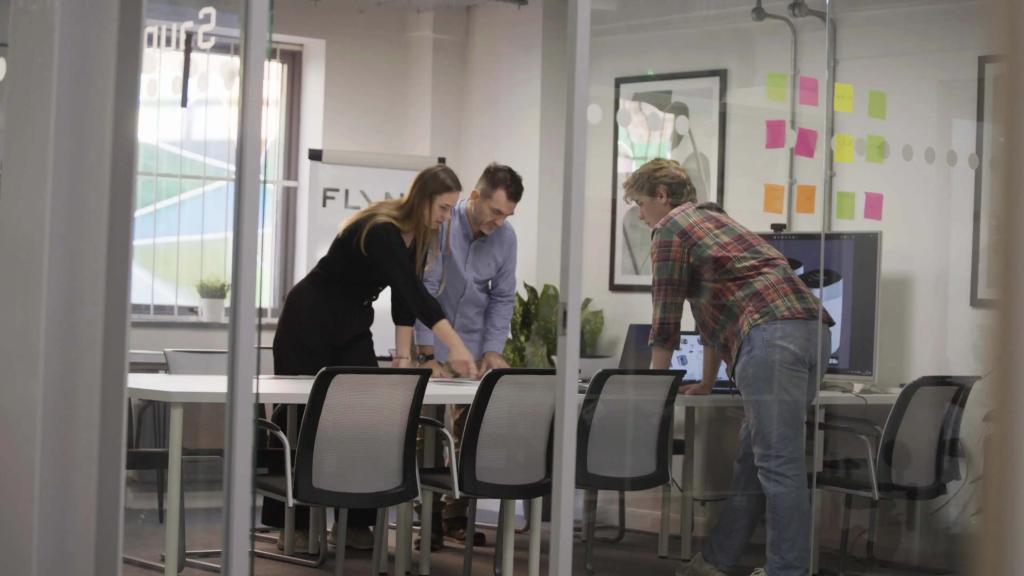
Bringing a product to market can feel overwhelming, especially if it’s your first time. But with the right partner, you don’t walk the path alone. You have designers, engineers, strategists, and collaborators who have helped shape products from first sketch through to sustained commercial success.
A great partner helps you navigate ambiguity, make better decisions, and build something that genuinely endures.
You bring the idea. Together, we bring it to life.
We provide businesses with product design consultancy, industrial design, prototype design & related services.