
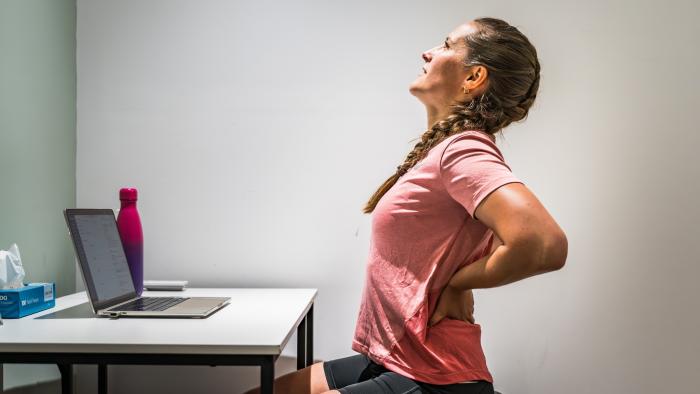
The good news is that many workplace injuries are preventable. By understanding the common causes of office-related pain and incorporating simple movement breaks into your routine, you can protect your body and stay comfortable throughout the workday.
Common Workplace Injuries
Unlike sudden injuries caused by accidents, most office-related conditions develop gradually. Repetitive movements, poor posture, and prolonged sitting can place continuous stress on the body, leading to discomfort and reduced mobility.
Some of the most common issues experienced by office workers include:
- Neck and Shoulder Tension - Spending hours looking down at a laptop or leaning toward a monitor can place excessive strain on the neck and upper shoulders. This often leads to muscle tightness, stiffness, and reduced range of motion.
- Lower Back Pain - Sitting for prolonged periods can weaken core muscles and increase pressure on the lower back. Poor chair support and slouched posture often make the problem worse.
- Wrist and Hand Pain - Frequent keyboard and mouse use can strain the wrists, hands, and forearms. Without proper ergonomic positioning, repetitive movements may contribute to discomfort and overuse injuries.
- Headaches and Muscle Fatigue - A lack of movement throughout the day can lead to muscle tension in the neck and shoulders, which may contribute to headaches and general fatigue.
Early intervention is key. Addressing discomfort when symptoms first appear can help prevent minor aches and pains from becoming chronic conditions that require more extensive treatment.
The 30–30 Posture Rule
One of the easiest ways to reduce workplace strain is by following the 30–30 Posture Rule:
Every 30 minutes, take 30 seconds to reset your posture.
This simple habit encourages regular movement and helps counteract the effects of prolonged sitting.
Quick 30-Second Posture Reset
- Sit upright with your feet flat on the floor.
- Gently pull your shoulders back and down.
- Tuck your chin slightly to align your head over your shoulders.
- Roll your shoulders backwards five times.
- Stand up and stretch your arms overhead.
Although it only takes half a minute, this routine can significantly reduce tension in the neck, shoulders, and upper back.
A Quick Desk Stretch in Just One Minute
When your body starts to feel stiff, taking a minute to stretch can make a noticeable difference. One of the most effective desk-based stretches is the Seated Spinal Twist.
How to Perform a Seated Spinal Twist
- Sit tall in your chair with both feet on the floor.
- Place your right hand on your left knee.
- Gently rotate your torso to the left.
- Hold the stretch for 15 seconds.
- Return to the centre and repeat on the opposite side.
Benefits of the Seated Spinal Twist
- Relieves spinal stiffness
- Encourages better posture
- Improves mobility through the back and torso
- Reduces fatigue associated with prolonged sitting
- Promotes circulation and movement during the workday
Small Changes Make a Big Difference
Many workplace injuries develop slowly, making them easy to overlook until they begin to interfere with daily activities. By incorporating simple habits such as the 30–30 Posture Rule and regular stretching breaks, you can reduce strain on your body and support long-term musculoskeletal health.
Remember, prevention is always easier than treatment. Taking a few moments each hour to move, stretch, and reset your posture can help you stay comfortable, productive, and pain-free throughout your working day.