

Modern workplaces often involve long hours sitting at desks, tight deadlines, and constant digital communication. These factors can significantly increase stress levels and negatively affect both physical and mental health. Incorporating regular movement and physiotherapy principles into the workday can play a powerful role in reducing stress, improving productivity, and supporting long-term wellbeing.
The Link Between Physical Tension and Workplace Stress
 When we experience stress, the body reacts physically. Muscles tighten, breathing becomes shallow, and posture often deteriorates, especially during prolonged computer use. Common symptoms of workplace stress include:
- Neck and shoulder tension
- Lower back pain
- Headaches
- Fatigue and reduced concentration
Over time, these issues can develop into chronic musculoskeletal problems. This is where movement and physiotherapy-based strategies can make a significant difference.
Why Movement Matters During the Workday
 The human body is designed to move. Remaining in the same position for extended periods—particularly sitting—places strain on muscles, joints, and the spine. Regular movement throughout the day helps by:
- Improving blood circulation
- Reducing muscle stiffness
- Lowering cortisol (the stress hormone)
- Increasing energy levels
- Enhancing focus and productivity
Even small movement breaks every 30–60 minutes can prevent tension from building up.
How Physiotherapy Supports Stress Reduction
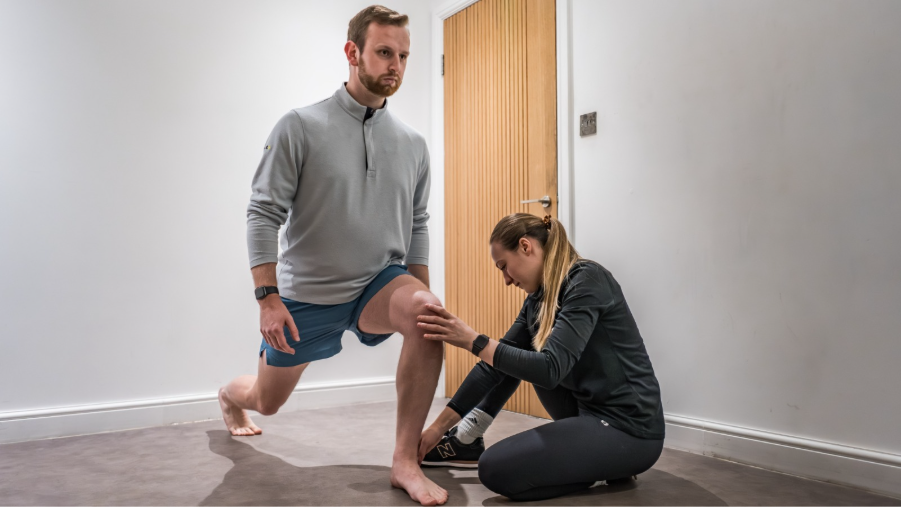 Physiotherapy is not only used for injury rehabilitation; it also plays a preventative role in workplace health. A physiotherapist can assess movement patterns to identify sources of physical stress.
Key physiotherapy strategies include:
- Targeted strengthening exercises
Strengthening the core, back, and shoulder muscles improves stability and helps the body tolerate daily work demands. - Mobility and stretching routines
Guided stretching helps release muscle tension caused by prolonged sitting. - Breathing techniques
Physiotherapists often teach diaphragmatic breathing, which activates the body’s relaxation response and reduces stress.
Simple Movement Strategies for the Workplace

Employees can incorporate several simple habits into their daily routine:
- Take regular movement breaks
Stand up, walk, or stretch every 30–60 minutes. - Perform desk stretches
Gentle neck rotations, shoulder rolls, and spinal extensions can reduce tension quickly. - Walk during short meetings
Walking meetings encourage movement and often improve creativity and discussion. - Practice mindful breathing
A few minutes of slow breathing can calm the nervous system during stressful moments.
Follow these simple exercises >
Benefits for Employers and Employees
Encouraging movement and physiotherapy-informed practices in the workplace benefits everyone. Employees experience less pain, improved mood, and greater resilience to stress. Employers benefit from increased productivity, reduced absenteeism, and a healthier workforce.
Creating a Healthier Work Culture
Organisations can support employee wellbeing by promoting:
- Workplace stretching or movement sessions
- Access to physiotherapy assessments
- Wellness education programmes
When movement becomes part of workplace culture, stress management becomes easier and more sustainable.
Conclusion
Stress at work is often viewed purely as a mental challenge, but the body plays an equally important role. Regular movement and physiotherapy strategies help relieve physical tension, improve posture, and activate the body’s natural stress-reduction mechanisms. By making movement a regular part of the workday, employees can protect both their physical health and mental wellbeing, leading to a healthier and more productive workplace.