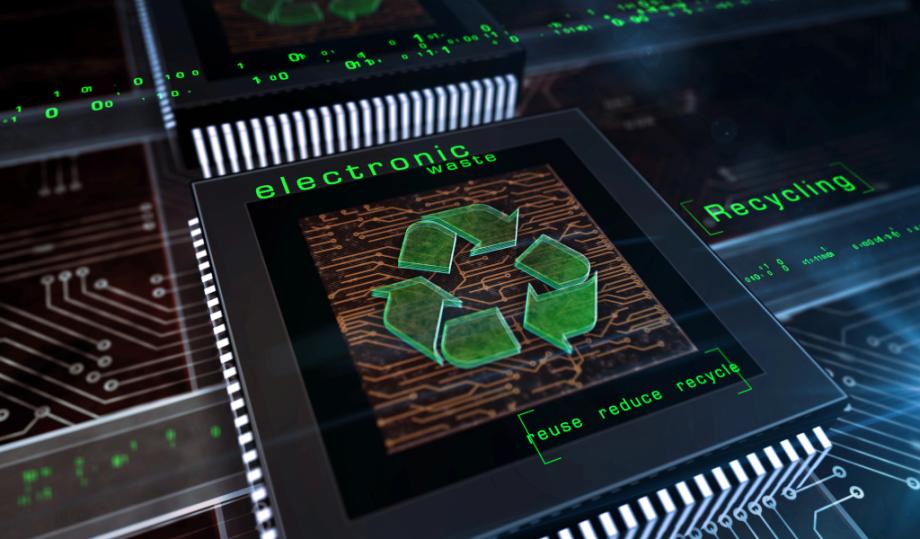
Cambridge’s diversifying and thriving network of businesses all share a common trait, and that’s a growing reliance on innovative technology to drive operational excellence. Despite the impressive strides that technology has helped businesses make, an often-overlooked consequence lingers: electronic waste, otherwise known as e-waste.
UK businesses and households statistically produce 1.65 million tonnes of e-waste every year, which places the country as the second highest producer per capita, at 23.9kg per person. What’s worse is that the problem is only compounding, and collectively, the nation’s efforts to get e-waste management under control, while promising, require more active involvement from business communities. Europe’s WEEE Directive, and the UK’s Hazardous Waste Regulations and GDPR requirements all require businesses to handle e-waste (and the toxic components that live inside as well as personal data stored on such media) responsibly and properly.
For enterprises, comprising biotech startups to established manufacturing companies scaling their IT infrastructure, e-waste management is becoming increasingly important. However, despite the challenges ahead, there are plenty of practical opportunities and strategies to help companies handle e-waste more responsibly, and reap significant benefits as a result.
1. Conduct an E-Waste Audit
Before initiating and implementing any substantial changes, it’s important to understand your current output and where improvements can be made. A comprehensive e-waste audit reveals the common types and volumes of equipment your business may discard. This will help you identify what can be refurbished or repurposed, and reveal gaps in your current recycling practices. Catalogue all electronic assets across your enterprise, from laptops, servers and monitors to printers, mobile devices, storage media, cables, and so on. Establish when devices may become obsolete and assess how they are dealt with at the end of their operational lifespan, which can form the basis of a structured long-term improvement plan.
2. Partner with Accredited, Reputable Recycling Specialists
When electronics reach their true end-of-life stage, correct disposal is essential. In accordance with WEEE Directives, responsible e-waste handling methods must be adhered to, otherwise the repercussions can be financially harsh for non-compliance. For complete peace of mind, partnering with approved recycling providers ensures any e-waste is handled and processed sustainably, and that materials are properly separated. Technologies such as fluidised bed metal separators, like the SandFlo™ separator from BlakerTech, are just one example of accessible and efficient solutions that make disposal easier.
The UK alone has cast aside roughly £370 million in precious metals and materials, which effective separation technology could reclaim and potentially help to repurpose. Furthermore, 40% of the UK's e-waste is exported illegally to other countries where it contaminates water and food supplies. Choosing responsible UK-based recyclers ensures you're not simply offshoring environmental problems.
3. Extend Your Devices' Lifespans
Prevention is the most effective method of e-waste reduction. As many businesses opt for replacing tech more often than is necessary, rethinking your approach is key. Consider whether your equipment desperately needs replacing or could get by with some essential routine maintenance and improvements. Your perception of a device’s obsolescence may change as a result. Remember to update software and hardware regularly, and to train employees on proper device care and etiquette, because the physical hardware requirements of, say, a SaaS solution may be less intensive than you think, meaning your existing infrastructure can function for longer. This can not only reduce your e-waste but deliver tangible cost and resource savings, which is particularly helpful for scale-ups and startups.
4. Embrace the Refurbished Technology and Re-Commerce Markets
Currently, the percentage of electronics that are being reused in the UK sits somewhere between 2.5% and 10%. As such, the vast majority of new purchases contain materials mined from resources that are growing increasingly scarce. Recent estimates suggest that 80% of an average mobile phone’s components can be reused, particularly when you consider the diverse materials inside a circuit board (gold, silver, lithium, platinum, and copper, to name a few).
There comes a time when buying replacement equipment is the only feasible option. However, reputable suppliers of refurbished tech and devices (for example, MusicMagpie) are worth exploring, which can invariably come at a fraction of the cost and environmental impact of new models. For businesses in sectors like social care, charities, education and others where budgets are tight, this can help exponentially.
Moving Forward
The Cambridge business community is full of ambitious, forward-thinking entrepreneurs and leaders, and as the region continues to provide enterprises with opportunities for expansion and growth, e-waste management has to improve dramatically to keep pace with demand. The devices we discard contain finite and non-biodegradable resources, and by extending their lifespan, choosing more refurbished and reusable options, partnering with responsible recyclers and improving our recycling and separation processes, we can profoundly reduce our environmental footprint as well as our outgoings.