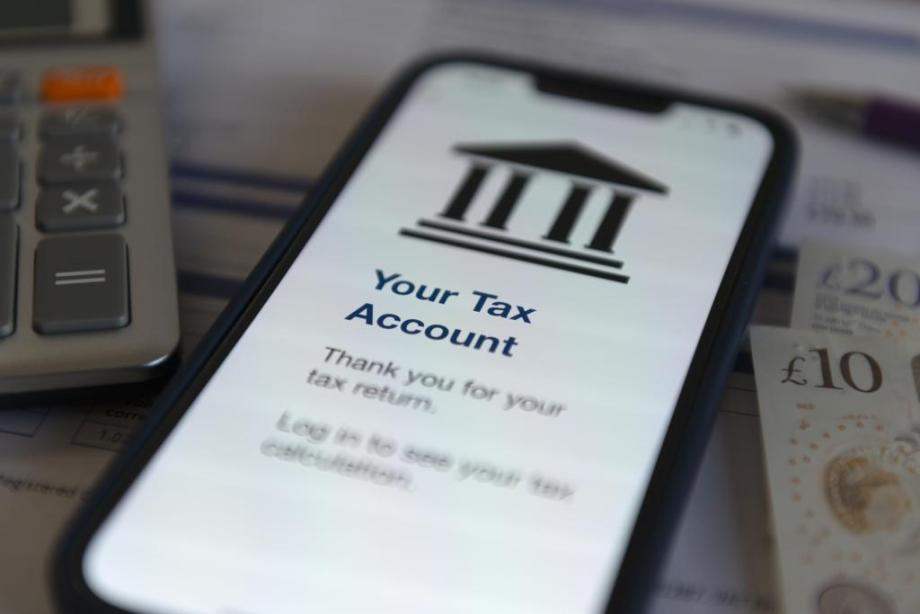
New analysis from regional accountants Price Bailey shows that HMRC is cancelling fewer late filing and late payment penalties than at any point in the past four years.
The firm, which has offices across the East of England, obtained the figures through a Freedom of Information request. While HMRC has issued fewer penalties overall, the proportion being cancelled has fallen more steeply, suggesting a tougher stance on penalty appeals.
In 2022/23, HMRC cancelled 91,000 late‑payment penalties, just 11% of the 857,000 penalties raised that year, down from 16% cancelled in 2019/20.
For late‑filing penalties, 23% (674,000 out of 2.97 million) were cancelled in 2022/23, down from 39% (1.2 million out of 3.1 million) in 2019/20.
Price Bailey says this highlights the importance of taxpayers understanding their filing obligations and seeking support early if they are unable to pay.
Price Bailey notes that late payment penalties can often be avoided entirely if taxpayers contact HMRC within 30 days of the due date to agree a Time to Pay arrangement. These plans allow bills to be spread across affordable instalments and prevent all three stages of late payment penalties from being triggered.
With HMRC’s late payment interest rate currently at 7.75%, the cost of delaying payment is higher than it has been in years. Price Bailey says this makes it even more important for taxpayers to engage with HMRC early to avoid penalties and prevent interest charges from escalating.
Nikita Cooper, Director at Price Bailey, comments: “HMRC continues to issue hundreds of thousands of late‑filing and late‑payment penalties every year, many of which could be avoided. A significant number of taxpayers do not realise they need to file a return, and those who are struggling to pay could often avoid penalties entirely by engaging with HMRC early.”
“The data suggests HMRC is taking a firmer line on cancellations. That makes it even more important for taxpayers to act early, because once a penalty is raised it is becoming harder to get it overturned.”
She adds: “Most late‑payment penalties can be avoided if a taxpayer contacts HMRC and agrees a Time to Pay arrangement within 30 days of the due date. Acting early can prevent all three stages of late‑payment penalties, which together can amount to 15% of the tax owed.”