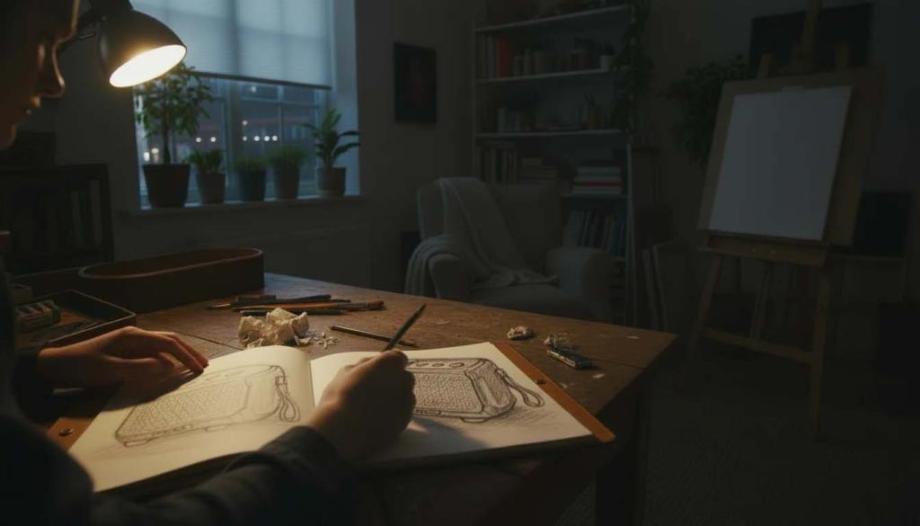
If you’ve ever caught yourself circling an idea on a quiet Sunday evening, just as the working week looms, this is likely for you. It’s the idea that pops up when things slow down. The one you scribble into a notes app, then leave untouched. The one that feels personal, even though it’s been waiting patiently on the sidelines for years.
For most people, what keeps it there isn’t a lack of drive. It’s reality. Rent to pay. Jobs you can’t easily step away from. The sense that starting something of your own would demand a dramatic, all-or-nothing leap you’re not ready to make.
But starting doesn’t have to look like that.
The turn of a new year has a way of drawing a quiet boundary. A moment where it feels reasonable to say: this is the year I stop just thinking about it. 2026 doesn’t need to be the year everything transforms overnight. But it can be the year you decide this idea deserves real attention, the year it moves from a loose intention into beginning the product development journey.
If you’re balancing a full-time role while carrying an idea you can’t quite shake, building your first product doesn’t mean risking everything. It means taking a measured, intentional first step. This guide is for those who’ve been waiting for the “right time” and are beginning to realise that the right time often looks a lot like now.
What Being a “Beginner” Actually Means
Being a beginner isn’t a disadvantage. It’s a position of freedom. You don’t have outdated systems to navigate around. No historic decisions to justify. No compromises made years ago that quietly limit what you can do today.
You’re starting with a blank canvas, and that’s rare.
First-time builders can do something experienced teams often struggle with: slow down early and make sound decisions before momentum takes over.
That means:
- Clearly defining the problem before jumping to solutions
- Understanding who the product is really for, and whether genuine demand exists
- Staying open-minded, with options still available
- Making choices with the long term in view from day one
Your first product isn’t about shortcuts or speed for the sake of it. It’s an opportunity to build deliberately, without having to unravel yesterday’s trade-offs. Starting as a beginner gives you the space to start properly.
Begin With the Problem, Not the Idea
Most early products don’t fail because they’re poorly made. They fail because too much certainty is placed in a solution before the problem has been properly explored.
Before sketches, features, or manufacturing conversations, there’s a simpler set of questions to answer:
- Who is this really for?
- What are they genuinely struggling with?
- Why does this problem matter enough to solve?
If you can’t explain the problem clearly, in plain language, it’s usually a sign it isn’t ready to be built yet.
Products that skip this stage often struggle to gain traction, not because they’re badly designed, but because they’re solving the wrong problem, or none at all. There’s no real pull from users. Clarity early on saves time, money, and a great deal of avoidable frustration later.
Why Design Is a Strategic Investment
Product design is often mistaken for how something looks.
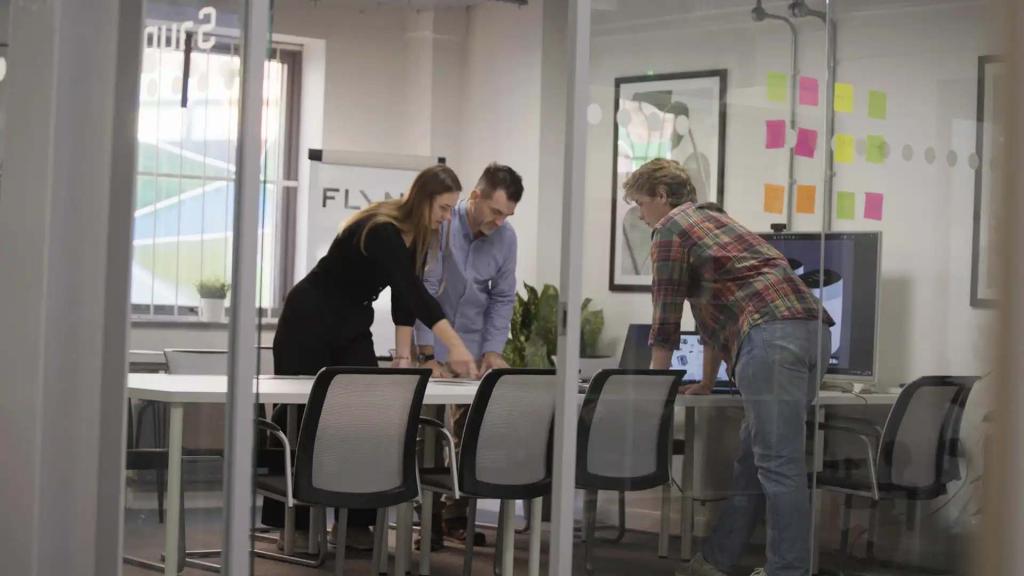
In reality, its true value lies in the decisions that determine whether a product has any chance of succeeding. Good design is about deciding what to build, for whom, and why. It’s the thinking behind every feature, the trade-offs you consciously make, the constraints you accept, and the assumptions you choose to test instead of ignore.
For first-time builders, this is where design has the greatest impact. Without it, progress relies heavily on instinct. With it, decisions become informed and far more likely to lead to commercial traction.
Through research, early prototypes, simple journeys, and honest conversations, design helps you:
- Stay anchored to a real, validated problem
- Distinguish what’s essential from what’s merely interesting
- Make decisions that support viability, not just vision
You don’t invest in design to make things look polished. You invest in it because thoughtful design is what turns an idea into a product people genuinely want and are willing to pay for.

Build Less, On Purpose
With a first product, it’s tempting to add more. Extra features. Additional functions. More capability, just in case.
In practice, restraint is one of the strongest choices you can make early on. Fewer features mean fewer components, fewer dependencies, and fewer points of failure. Products become easier to build, easier to test, and easier to manufacture.
Simplicity also forces clarity. A clear purpose. A defined audience. A strong reason for the product to exist.
At this stage, your product needs:
- One clearly defined problem
- A specific group of users
- A focused set of functions that support that purpose
Reducing complexity early lowers costs, improves reliability, and significantly reduces technical risk. You can always add later. It’s far harder to remove complexity once it’s designed in.
Sustainability Is Simpler at the Start
One of the biggest advantages of a first product is the ability to make good decisions before anything is locked in.
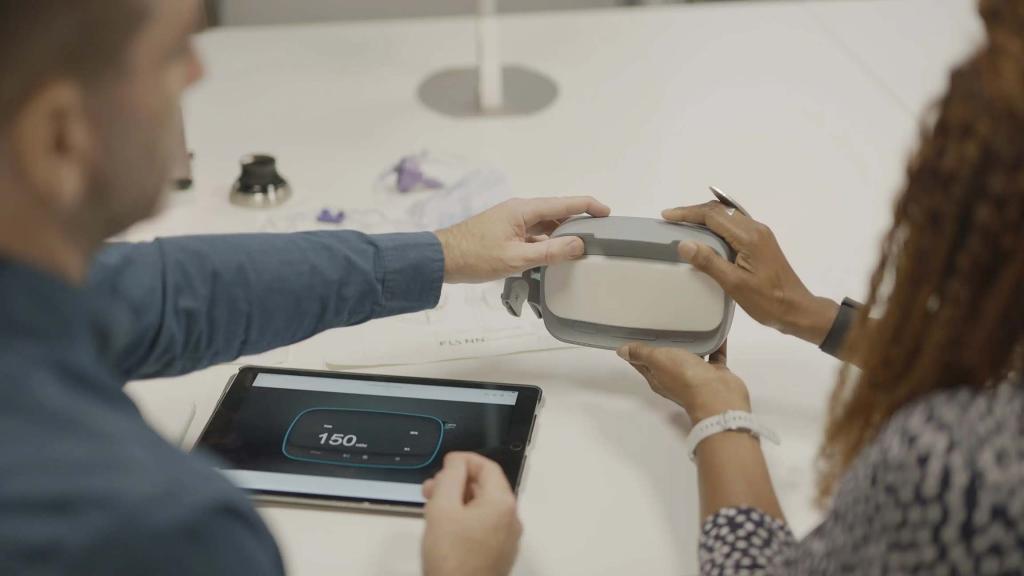
Without legacy systems or sunk costs, you can think carefully about materials, supply chains, energy use, and product lifespan before those choices become difficult to change. At this stage, sustainability isn’t something to add later. It’s something you design in from day one.
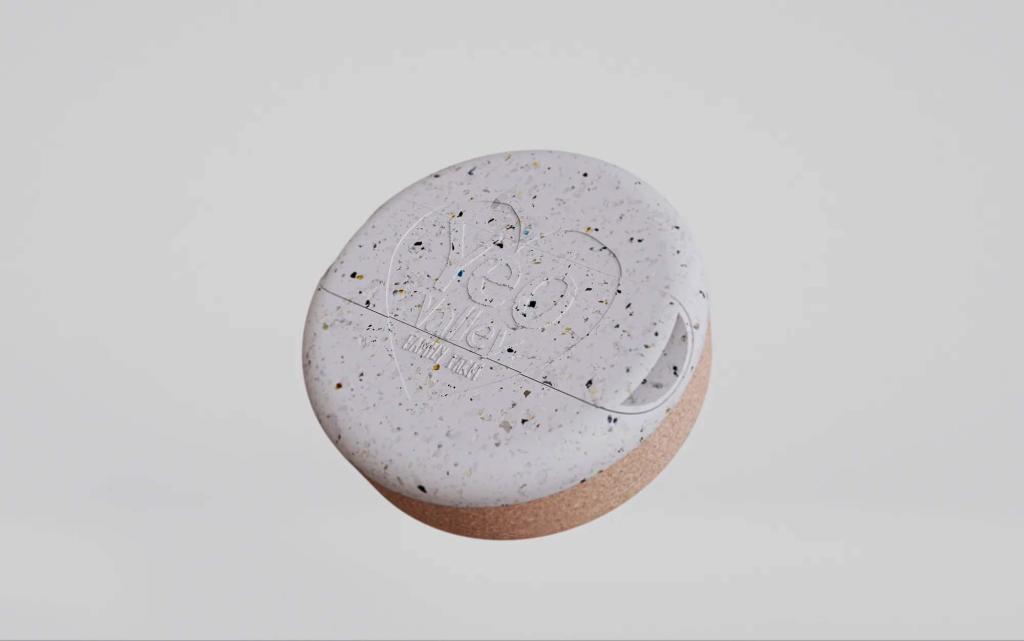
When it’s considered early, it feels authentic, because it is, rather than like an afterthought customers can see straight through. Small, considered decisions made now tend to compound over time, shaping both the impact and credibility of the product you eventually launch.
Progress Will Be Quieter Than You Expect
Early progress rarely looks dramatic. More often, it shows up as clearer thinking, better conversations, and decisions that take less effort than they did before. This can feel slow if you’re expecting momentum to arrive with visible milestones. But this is the work that removes friction later on.
When you invest time thinking properly at the start, you spend far less time correcting course. Decisions speed up. Trade-offs become clearer. Confidence grows, because it’s grounded in understanding, not optimism.
Knowing When to Bring Others In
One of the most common mistakes first-time product builders make is waiting too long to ask for support.
Once decisions are locked, designs finalised, and assumptions embedded, changing direction becomes costly, in time, money, or both. The earlier you sense-check your thinking, the more freedom you have to adjust. Working with experienced partners early, especially around product design, isn’t about giving up control. It’s about pressure-testing ideas before they harden. Challenging assumptions. Exploring alternatives objectively.
The right support early on often saves far more than it costs, by preventing wasted effort, unnecessary complexity, and months spent moving in the wrong direction. Building your first product doesn’t mean doing everything alone. It means recognising when a second perspective will help you make better decisions.
An Invitation to Begin Right
You don’t need to have everything figured out to begin, only the intention to start well. The products that matter in 2026 will be built with care, clarity, and respect for users and resources.
At FLYNN, we’ve spent over 20 years helping first-time founders and ambitious teams turn early ideas into products that work, commercially, technically, and in the real world.
If this is the year you want to give your idea a proper chance, we’d love to talk.
No pitches. No pressure. Just an honest conversation about where you are, what you’re building, and how to start on the right path.
We provide businesses with product design consultancy, industrial design, prototype design & related services.