With neurological conditions expected to affect four in five people during their lifetime, the conference explored how advances in neurotechnology could transform the prevention, diagnosis and treatment of conditions including dementia, depression, OCD, chronic pain and Parkinson’s disease. Discussions focused on the pace of technological development and the importance of aligning innovation with clinical need to maximise patient impact.
Speakers from academia, healthcare, industry and investment shared perspectives on progress across the field. Luke Bashford and Andy Jackson (Newcastle University) and Katja Kornysheva (University of Birmingham) highlighted developments in non-invasive brain-computer interfaces, neurostimulation approaches using music, and neural decoding techniques.
Cambridge Professor Zoe Kourtzi outlined work on AI applications for dementia, with potential to support earlier intervention and improved patient outcomes. Early-stage restorative neurotechnology was also presented by Dr Harith Akram of the National Hospital for Neurology and Neurosurgery in London.
Professor Tamar Makin discussed how the impact of implantable technologies should be assessed not only in terms of invasiveness, but also in relation to effects on daily life and wellbeing. She noted that for many patients, “good technology is invisible technology.”
A key theme of the event was the translation of neurotechnology from research into clinical application. Anne Vanhoestenberge of King’s College London and MAISI, a facility focused on the manufacture of regulatory-compliant medical devices, highlighted the challenges involved in early-stage translation. She noted that while it can take up to 20 years to bring a medical device to market, only around five years typically involve genuine innovation, with the remainder often attributable to regulatory and procedural constraints.
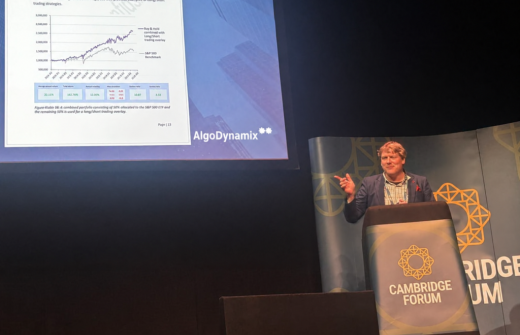
A panel discussion explored bottlenecks in translation, featuring clinician Ben Underwood and Hannah Kodama Douglas from Araya, Japan’s first neurotech incubator. This followed a series of fireside conversations examining translational pathways, including contributions from BrainPatch’s Nickolai Vysokov and freelancer, Firat Yazicioglu. Investor perspectives were provided by Cambridge Angel investor Andy Richards and Ed Rayner of Panmure Liberum.
Cambridge NeuroWorks Fellows showcased a range of emerging technologies, including a combined EEG and focused ultrasound approach for severe OCD, a biofeedback system for urinary incontinence, and a spinal cord stimulation paradigm for phantom pain. Attendees also tested technologies developed by last year’s Fellows, including a wearable neurostimulator for restoring finger movement in stroke patients, a portable stress-reduction device, and an ear-worn sensor supporting rehabilitation in conditions such as vertigo.
Reflecting on the event, Dr Ben Underwood, Associate Professor at the University of Cambridge and Consultant Psychiatrist at Cambridgeshire and Peterborough NHS Foundation Trust, said:
“As a practising doctor, I see the profound impact of neurological conditions on people’s lives. The CNW annual event was inspiring and energising. It highlighted the real technological progress being made and the suffering being reduced as a result. I’m excited to see new approaches coming to help patients in NHS clinics as soon as possible, supported by this fantastic network.”
John Gourd, CEO of Cambridge Network and Cambridge NeuroWorks Community and Network Lead, said:
“It was inspiring to see so many people attend the event. We achieved our ambition of bringing together a wide range of expertise, ensuring diverse perspectives are heard and helping to drive momentum in neurotechnology.”
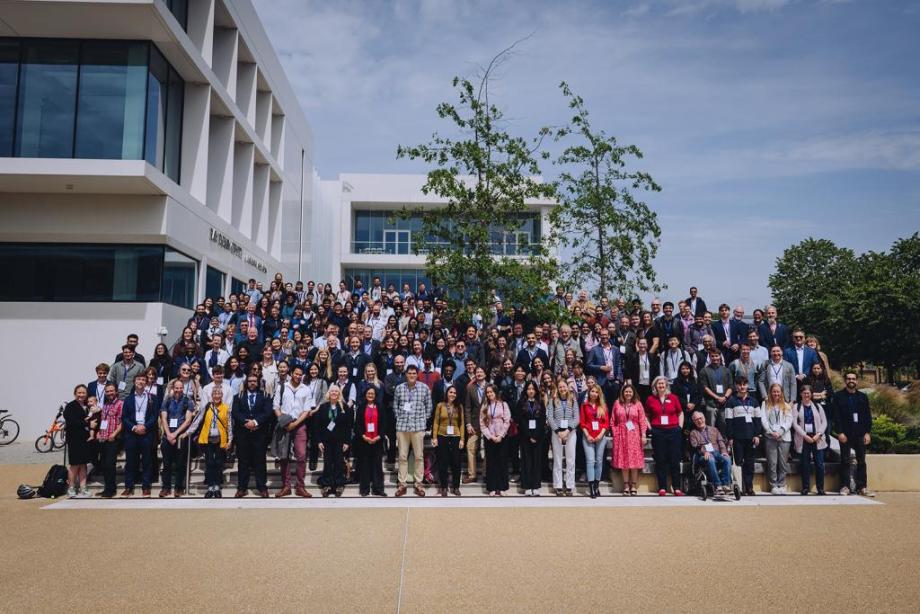
The record attendance at NeuroWorks 2026 reflects growing momentum across the UK neurotechnology ecosystem and highlights the importance of collaboration between researchers, clinicians, investors and entrepreneurs in translating breakthrough technologies into patient benefit.