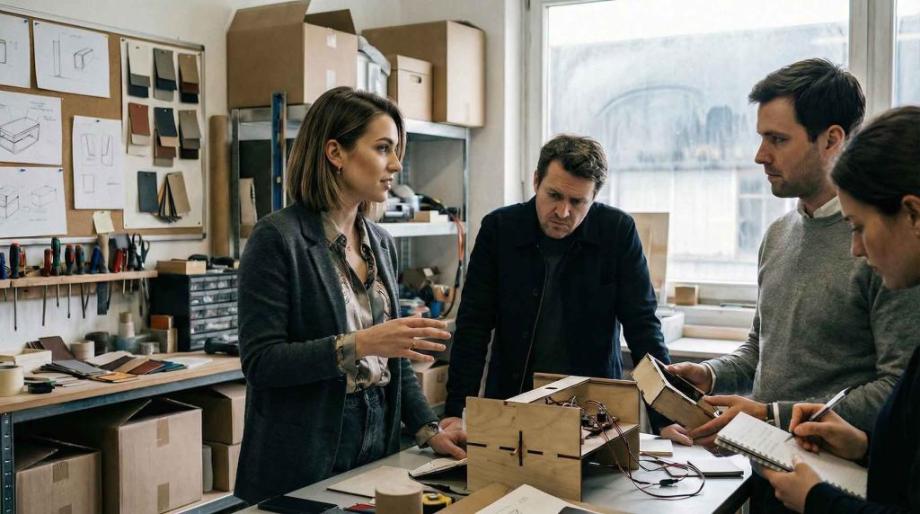
Investability rarely starts with slides and spreadsheets. It starts earlier, often before a product has taken physical form. The foundations are laid when the brief is defined, assumptions are set, and early specifications begin to harden into direction.
Decisions made at this stage can appear modest at the time, yet they quietly shape everything that follows in the development journey. Over the course of development, their influence compounds. A small adjustment early on can steer a product towards a very different outcome once it reaches market, manufacturing, or scale.
Investors are acutely aware of this. They don’t just assess ideas; they examine what those ideas reveal about the people behind them. Through the product, they look for signals of judgement, discipline, and realism. How does the team think? How do they weigh trade-offs? How well do they understand the consequences of making something physical?
When teams recognise what builds confidence at this level, investability becomes a design input rather than a sales argument. It stops being something added at the end and becomes something embedded from the outset.
Why Physical Products Face Higher Scrutiny
Caution around physical products is not arbitrary. Unlike software, missteps are costly and difficult to reverse. Materials, tooling, supply chains, and compliance all lock in decisions early, often before market feedback is fully known.
A material chosen without foresight can undermine margins. A missed regulatory requirement can delay launch indefinitely. An assumption about scale can unravel when tooling costs come into view.
None of this makes physical products unappealing to investors. It simply changes what they need to see. As tangibility increases, so does the demand for tangible evidence.
Purpose Reveals Itself Quickly
Products that attract confidence tend to be very clear about their reason for existing. That clarity shows up in restraint as much as ambition. The problem is well defined. The user is specific. The solution feels intentional.
When purpose is sharp, design decisions align naturally. Investors can follow the logic from problem to outcome without having to fill in gaps themselves. That coherence makes a product easier to believe in.
Clear intent also limits unnecessary complexity. Products that try to serve too many needs often signal uncertainty rather than opportunity.

Demand Must Exist Beyond the Studio
An investable product is rooted in a need that already exists in the real world. Evidence of demand reassures investors that the product is responding to observable behaviour, not imagined interest.
This demand might appear through workarounds, misuse of existing solutions, or people spending time and money to solve a problem imperfectly. The common thread is persistence. The need keeps resurfacing, even without a good solution.
Products grounded in real behaviour tend to arrive with clearer positioning and fewer assumptions. They don’t rely on educating the market from scratch, which significantly lowers risk.

Managing Risk Through Design
In physical product development, risk is unavoidable. What matters is how visibly and deliberately the risk is handled. Decisions around materials, suppliers, manufacturing methods, and certification all communicate how a team anticipates uncertainty.
Products that inspire confidence often show staged thinking. High-risk assumptions are identified early, isolated, and tested before scale magnifies their impact. This approach demonstrates control without rigidity.
Strong teams don’t try to eliminate risk entirely. They understand where it sits and make informed decisions about which risks are worth taking. Risk becomes a design variable, weighed against value and evidence.
Proof Outweighs Passion
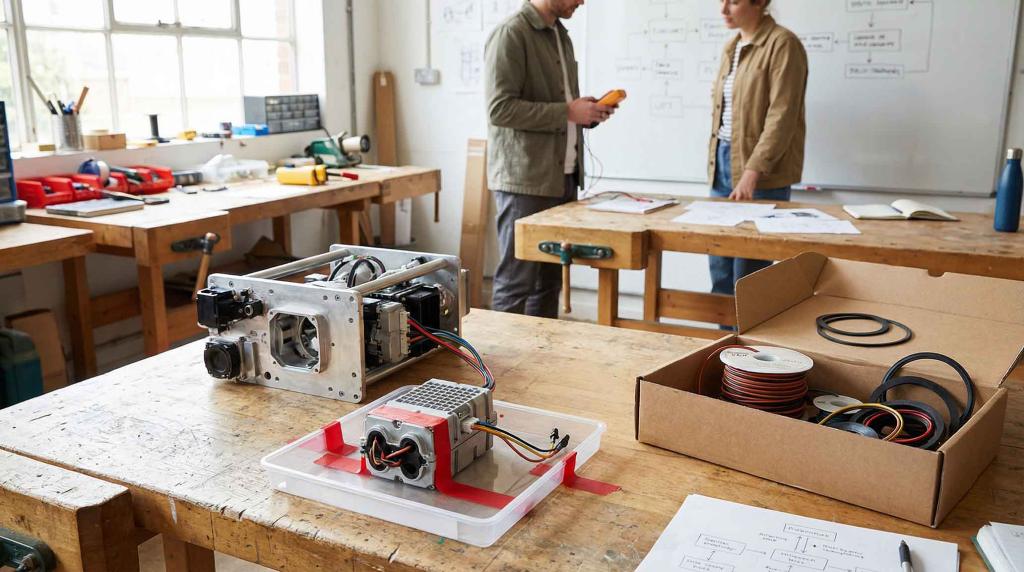
Enthusiasm has its place, but physical products are judged on what can be demonstrated. Prototypes are one of the clearest signals of investability when they are used properly.
Not all prototypes need to look finished. Proof-of-concept models that validate core functionality often say more than polished artefacts. What matters is whether the product works, not how it photographs.
Testing in real conditions reveals insights that visuals never can. Failures, wear points, assembly challenges, and user behaviour all surface truths that move a product closer to viability. These signals show that the team has stepped beyond imagination and into reality.
Even early engagement with manufacturing adds credibility. Conversations with suppliers, exploration of processes, and acknowledgement of constraints all suggest a grounded understanding of how the product will eventually be made.
When to Enter the Investment Conversation
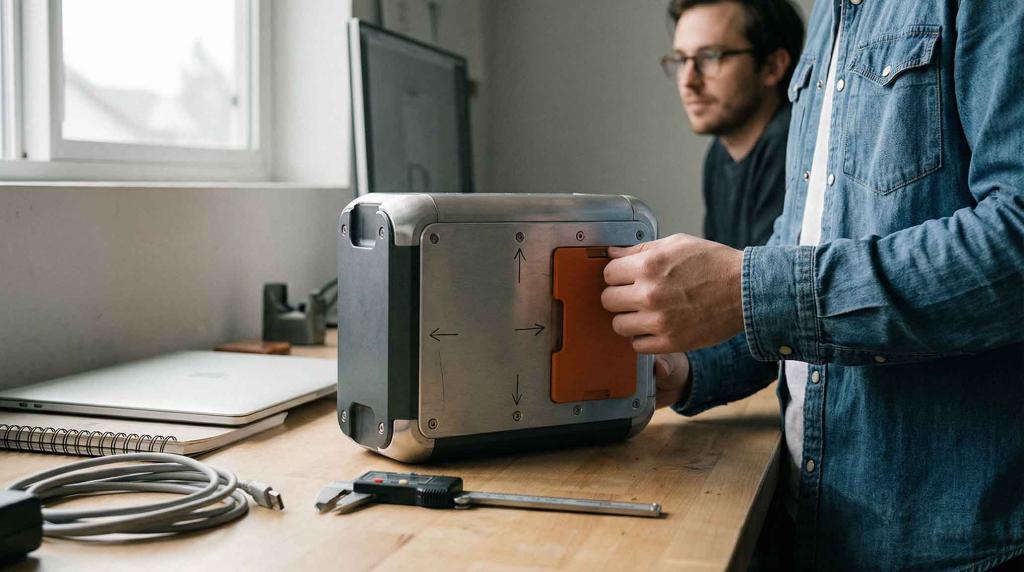
Timing plays a significant role in how investors respond. The strongest conversations tend to happen once something tangible exists, when the product has moved beyond a loose idea and into a form that can be examined with confidence.
Ideally, teams arrive with evidence gathered through development:
- A clearly defined and designed product concept
- Proofs of concept or early functional prototypes
- An understanding of manufacturing routes and likely costs
- Early insight into risks, trade-offs, and constraints
This level of preparation allows investors to assess the product directly, rather than imagining what it might become.
Of course, developing physical products is expensive, and full development before fundraising is not always feasible. In these cases, an investment-focused development phase can bridge the gap. By visualising how a product will look, function, and be manufactured, teams present something concrete rather than abstract. That tangibility often determines whether interest turns into conviction.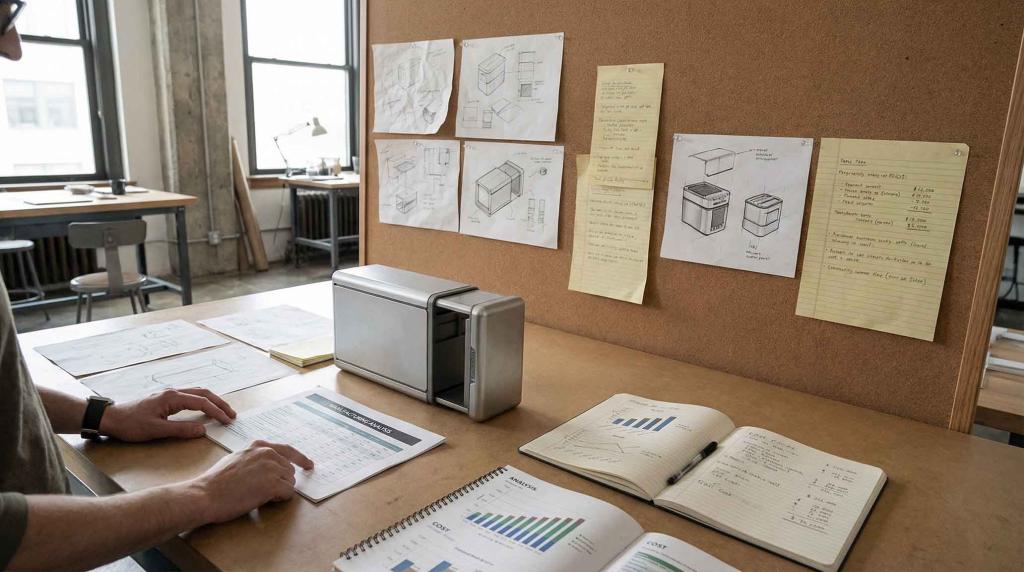
Credibility Comes From the Teams You Involve
Building a physical product is rarely a solo effort. Involving experienced professionals early signals seriousness and maturity.
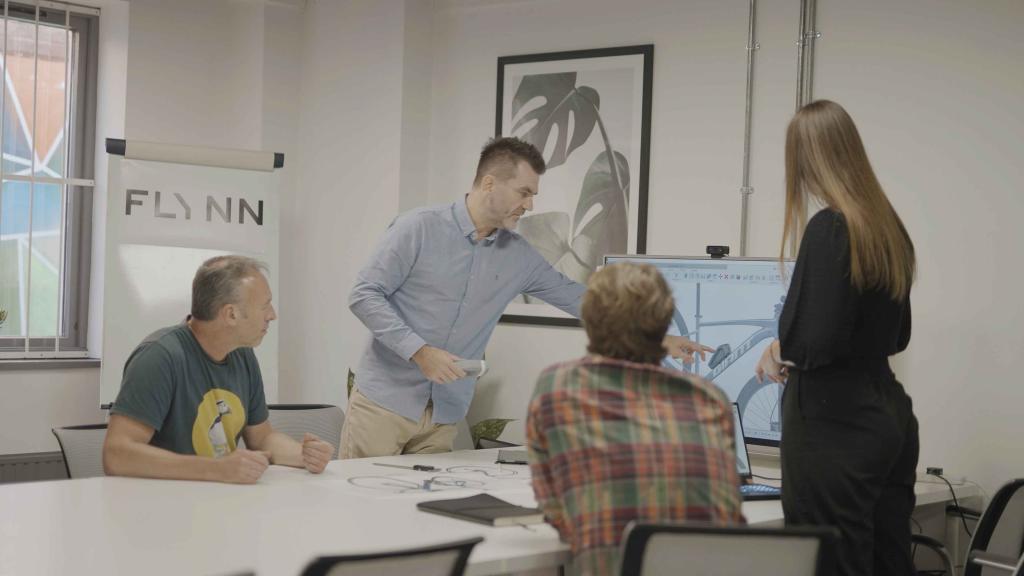
Designers, engineers, manufacturers, and regulatory specialists bring insight shaped by repetition. They reduce blind spots, accelerate learning, and challenge assumptions before they become costly.
Investors notice this. Teams that know when to seek expertise are often better equipped to navigate uncertainty than those attempting to do everything alone. Working with credible partners also hints at how the team will operate post-investment. Products built to last are rarely built in isolation.
Designing With Scale in Mind
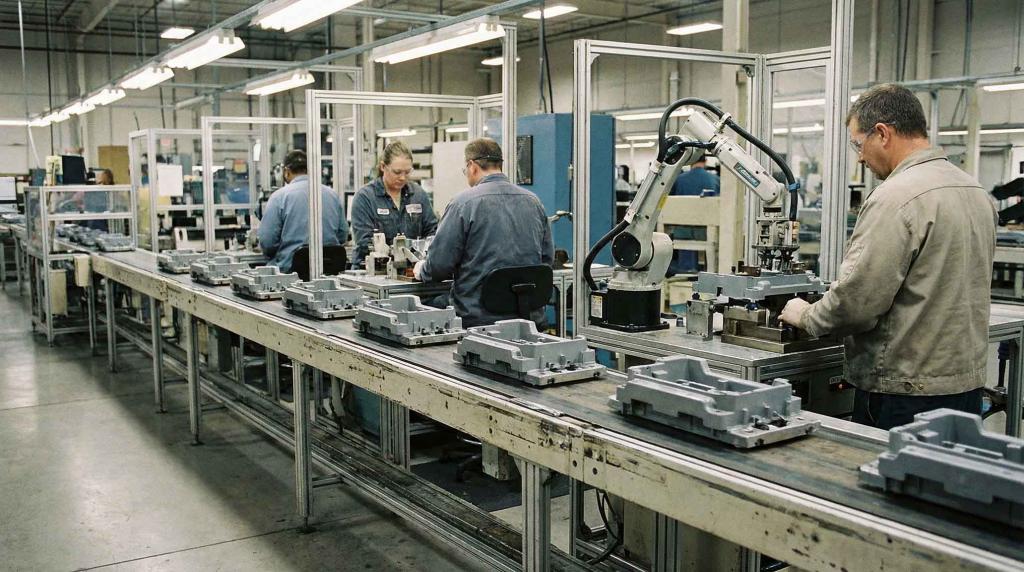
Scale is not a future problem to solve later. It is a constraint that shapes early decisions, whether consciously or not. Products designed with manufacturing and scale in mind tend to feel calmer and more credible.
This often appears in small but telling details: components designed for efficient assembly, materials chosen with availability in mind, and forms that align with established processes. These choices reflect foresight rather than optimism.
Investors look for predictability as volume increases. Products that behave consistently at scale reduce uncertainty and build confidence beyond the next milestone.
Economics Are Embedded in Design
Every physical product carries an economic narrative within its design. Bill of materials discipline, production costs, and trade-offs between quality and longevity all influence viability.
Over-engineered products can strain margins. Under-engineered ones raise concerns about reliability and returns. Investable products typically strike a careful balance, where performance, durability, and cost reinforce one another.
These decisions show an understanding that commercial success and good design are not opposing goals. When aligned, they strengthen the product’s long-term prospects.

What Investors Are Really Looking For
At the heart of every investment decision is trust. Investors want fewer surprises, not bolder promises. They look for teams who understand consequences and make deliberate choices.
Physical products communicate this clearly. From prototype quality to partner selection, each detail contributes to a picture of how the venture will perform under pressure.
Let the Product Speak
Pitch decks describe intent. Products demonstrate capability. The most investable physical products carry much of the argument themselves, quietly showing that the team understands what responsible delivery requires.
When design is used to create clarity, generate evidence, and reduce risk, investability emerges naturally. The product moves beyond asking for belief and starts to earn it.
Designing with investment in mind is valuable even without external funding. The qualities investors look for, clear purpose, real demand, disciplined risk management, and readiness to scale, are the same qualities the market rewards. A product built to be investable is one built to last.
We provide businesses with product design consultancy, industrial design, prototype design & related services.