
Healthcare and Life Science
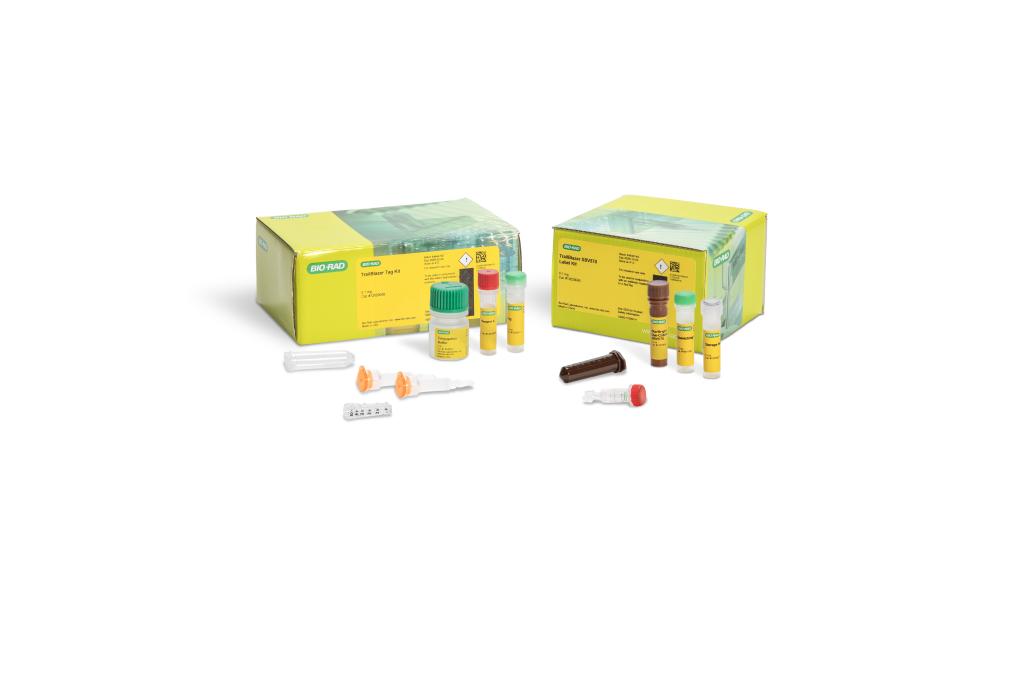
Bio-Rad expands range of TrailBlazer Kits for Antibody Conjugation to StarBright Dyes
Expanded Range Increases Access to Bio-Rad’s StarBright™ Dyes for Flow Cytometry and Western Blot Applications in Immunology Research ...

Why Cambridge UK remains a global hub for antibody discovery
Cambridge UK has long been one of the world’s most important centres for life sciences, translational research and biotechnology innovation. For antibody discovery, the cluster offers a powerful combination of scientific expertise, commercial infrastructure, regulatory awareness, invest...

NGS in antibody discovery: Why sequence depth matters
Next-generation sequencing is changing how antibody discovery teams understand library performance, selection outputs and candidate diversity. Rather than relying only on small numbers of picked clones or traditional sequencing methods, NGS can provide a deeper view of how binders emerg...

Antibody discovery and IP risk: Why freedom to operate matters earlier than you think
In antibody discovery, identifying a promising binder is only part of the challenge. For well-established targets, companies also need to consider whether the resulting sequences are novel, patentable and commercially usable. Freedom-to-operate risk can become a major issue if discovery...
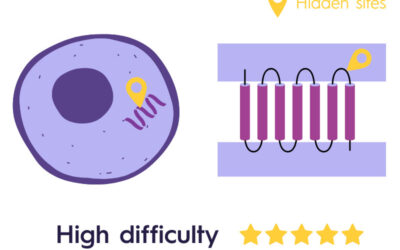
Unlocking hard-to-drug targets with VHH antibody discovery
Many high-value therapeutic targets remain difficult to drug, particularly where targets are intracellular, conformationally complex, poorly accessible, highly conserved or embedded in membrane environments. Traditional discovery approaches can struggle in these settings, especially whe...

Weight loss drugs boom drives pharma R&D returns, but industry could face ‘bubble’ effect
Top global pharma companies’ return on R&D increased for third consecutive year; Growth is almost entirely driven by GLP-1 drugs - used to treat obesity and diabetes - and accounts for 38% of projected sales;Obesity drugs have displaced oncology drugs as the largest contributor to t...
Whitepaper: Validating synthetic VHH libraries for therapeutic discovery
Synthetic VHH libraries are becoming an increasingly important route for antibody discovery, offering a faster, more controlled alternative to traditional immunisation-based workflows. But for drug developers, speed alone is not enough: discovery platforms must generate binders with the...

VHH bolt-ons: Modular building blocks for smarter biologics
VHH single-domain antibodies are increasingly being used as modular building blocks in next-generation biologics. Their small size, stability and engineering flexibility mean they can be “bolted on” to other therapeutic molecules to add new functionality — from extending half-life and i...
Why antigen format matters in VHH antibody discovery
Successful antibody discovery depends not only on the discovery platform, but also on how well the target antigen is prepared, presented and controlled. For many therapeutic programmes, the challenge is not simply finding a binder — it is finding the right binder against a target that m...

Rethinking ADC design: The role of VHHs in precision oncology
Antibody–drug conjugates have become a major platform in precision oncology, combining the targeting ability of antibodies with the potency of cytotoxic payloads. But despite advances in linker chemistry, payload design and antibody engineering, ADC developers still face challenges arou...