
Research
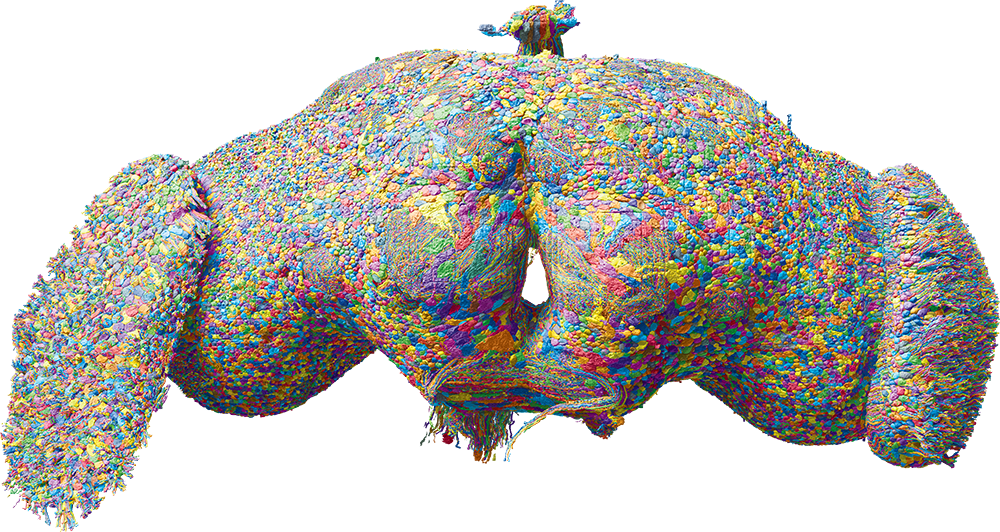
Whole brain connectome of fruit fly is most complex brain ever mapped
The whole brain connectome of the Drosophila fruit fly is the first complete synaptic resolution wiring map of the brain of an adult animal capable of complex behaviours. ...
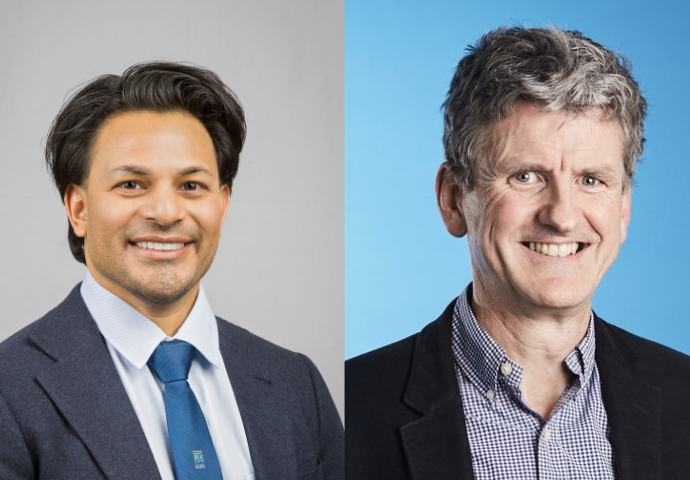
Research sets global standard for Crohn’s treatment
Trial results published by Cambridge researchers earlier this year and involving patients at Addenbrooke’s Hospital are helping to set new global standards for the treatment of Crohn’s disease, it has emerged. ...
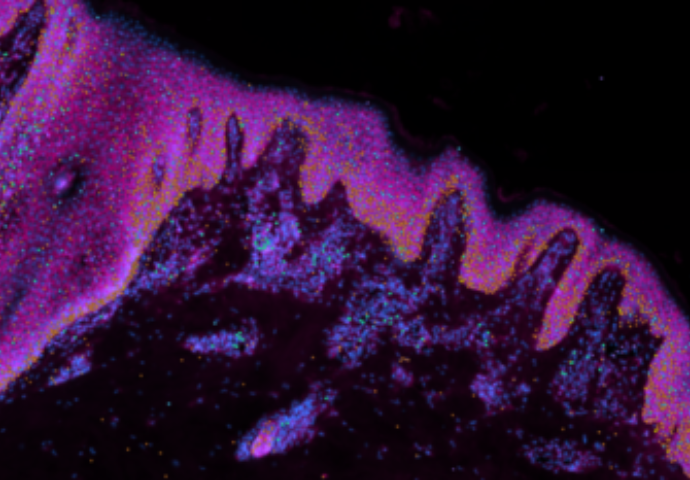
Human skin map gives 'recipe' to build skin and could help prevent scarring
For the first time, researchers have created a single cell atlas of prenatal human skin to understand how skin forms, and what goes wrong in disease. ...
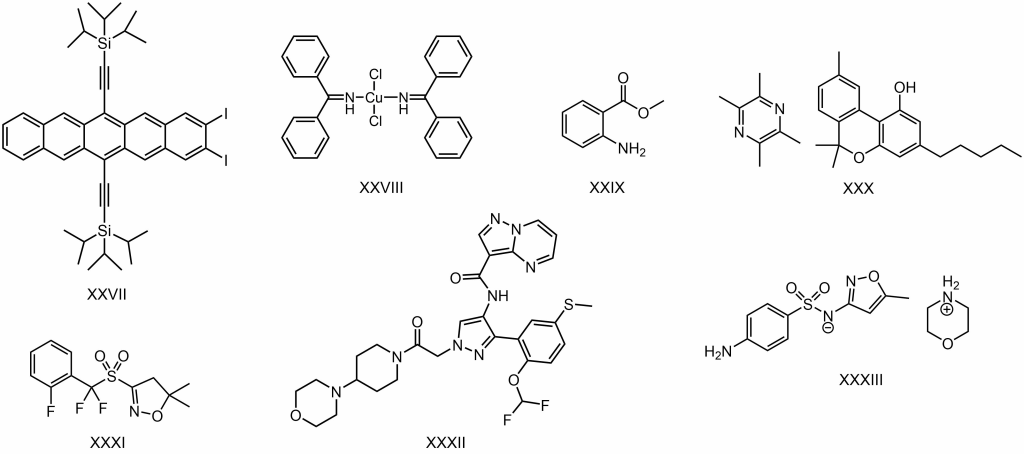
Overcoming pharmaceutical and other materials issues before they exist
Two new scientific papers on the conclusions of the 7th Crystal Structure Prediction Blind Test. ...
Study finds UK adults aren’t connected to nature
New research led by ARU finds barriers prevent everyone enjoying nature equally.
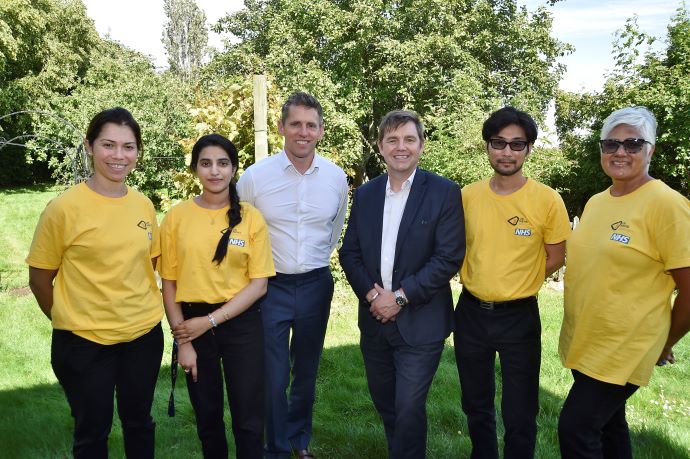
First UK survey on sensory loss to take place
Project to provide robust data on vision and hearing loss to begin in Cambridgeshire. ...
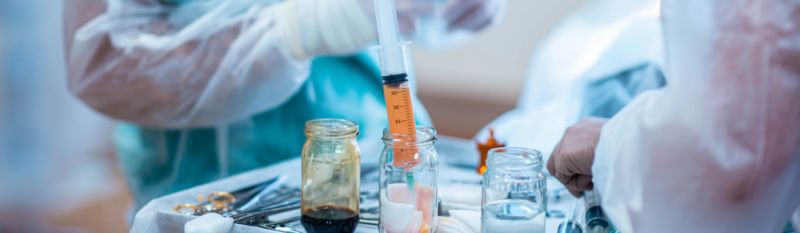
'Black box' of stem cell transplants opened in world-first blood study
For the first time, scientists have tracked what happens to stem cells decades after a transplant, lifting the lid on the procedure that has been a medical mystery for over 50 years. ...

Comparative study of cryptocurrency regulation
The Cambridge Centre for Alternative Finance (CCAF) at Cambridge Judge Business School, University of Cambridge, is publishing a comparative study of cryptoasset regulatory frameworks and a cryptoasset regulation tracker covering all jurisdictions across the globe. ...
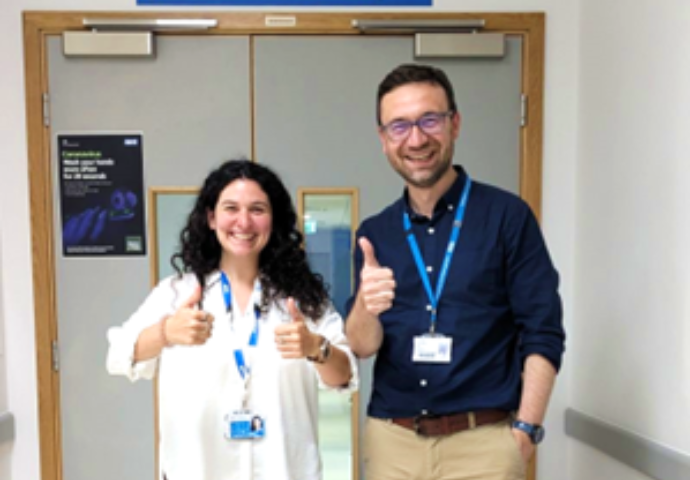
CPFT researchers test anti-inflammation treatment for psychosis
Mental health researchers and clinicians in Cambridge have partnered with researchers in Birmingham and Bristol on a national study to test if treating inflammation can improve recovery from psychosis. ...
AI innovation is powering the Net Zero transition, as patent activity soars in the Energy sector according to Marks & Clerk’s 2024 AI Report
Recognition of the transformational capability of AI in strengthening resilience to climate change and supporting the reduction of emissions has the potential to propel the energy sector towards new innovations, according to intellectual property firm Marks & Clerk. ...