This reflection follows an AI roundtable hosted by Fellowship at St John's Innovation Centre in Cambridge and explores what cross-sector conversations can teach us about innovation, organisations and learning.
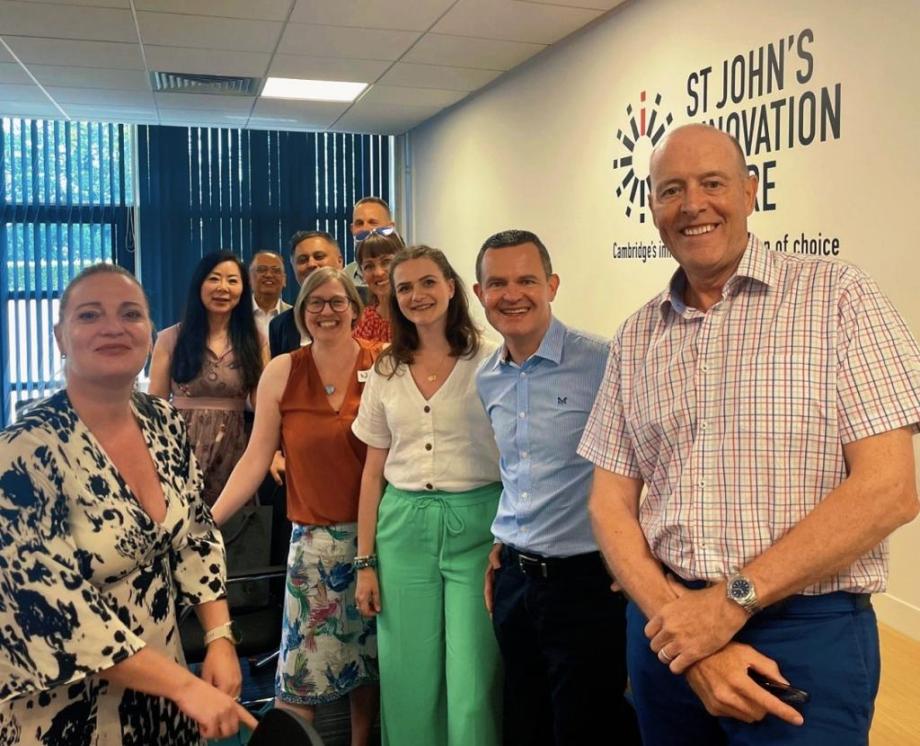
Last week I joined an AI roundtable hosted by Fellowship at St John's Innovation Centre in Cambridge.
The room included people from hospitality, marketing, technology and professional services. We all came with different experiences and different reasons for being there.
I expected most of the discussion to be about technology.
Different people were using different AI tools. The conversation moved quickly past the technology, into leadership: helping colleagues embrace change, and deciding which responsibilities should always remain human. It became a conversation about redesigning how organisations work, rather than simply speeding up what they already do.
One question stood out above the rest:
"What are you actually waiting for?"
Not asked unkindly, but it landed because most of the people in the room already knew what their problem was. They weren't short of insight. They were waiting for someone to decide that the old way of working was a choice, not simply the way things had to be.
People began responding to problems outside their own sectors. Someone from hospitality offered a different way of thinking to someone in technology. A marketing perspective challenged assumptions in professional services.
The discussion reminded me of conversations I'd been having in very different settings. Over the same period, I've been working with schools and employers on preparing young people for work. Schools and businesses face different challenges, but some of the conversations sounded surprisingly familiar. Employers talk less about AI proficiency than I expected, and more about judgement, adaptability, communication and learning.
What I'll remember is a room full of people from different sectors helping one another think differently.
That's much harder to reproduce inside a single organisation, one of the reasons places like Cambridge continue to matter.
The real challenge was whether organisations were willing to rethink how they learn, collaborate and make decisions. That's a harder question than which AI tool to use, and it comes down to one line from the room: what are you actually waiting for?
Disclaimer: This article is a personal reflection inspired by the discussion. It does not report the event or attribute comments to individual participants, and the views expressed are entirely my own.
Image: courtesy of Fellowship